






Learn how naloxone saves lives by reversing opioid overdoses, when to use it, and why access is critical in overdose emergencies.
Naloxone is a medication that can rapidly reverse an opioid overdose restoring breathing, preventing brain damage, and saving lives when it’s administered quickly after an overdose is suspected.
What Is Naloxone?
Naloxone is an opioid antagonist, meaning it attaches to opioid receptors in the brain and blocks or reverses the effects of opioid drugs like heroin, fentanyl, oxycodone, morphine, hydrocodone, and others. In cases of overdose, opioids can slow or stop breathing the most common cause of death. Naloxone can rapidly restore normal breathing when given in time.
It has no effect on people who do not have opioids in their system and cannot be used to get high nor does it create dependence or addiction.
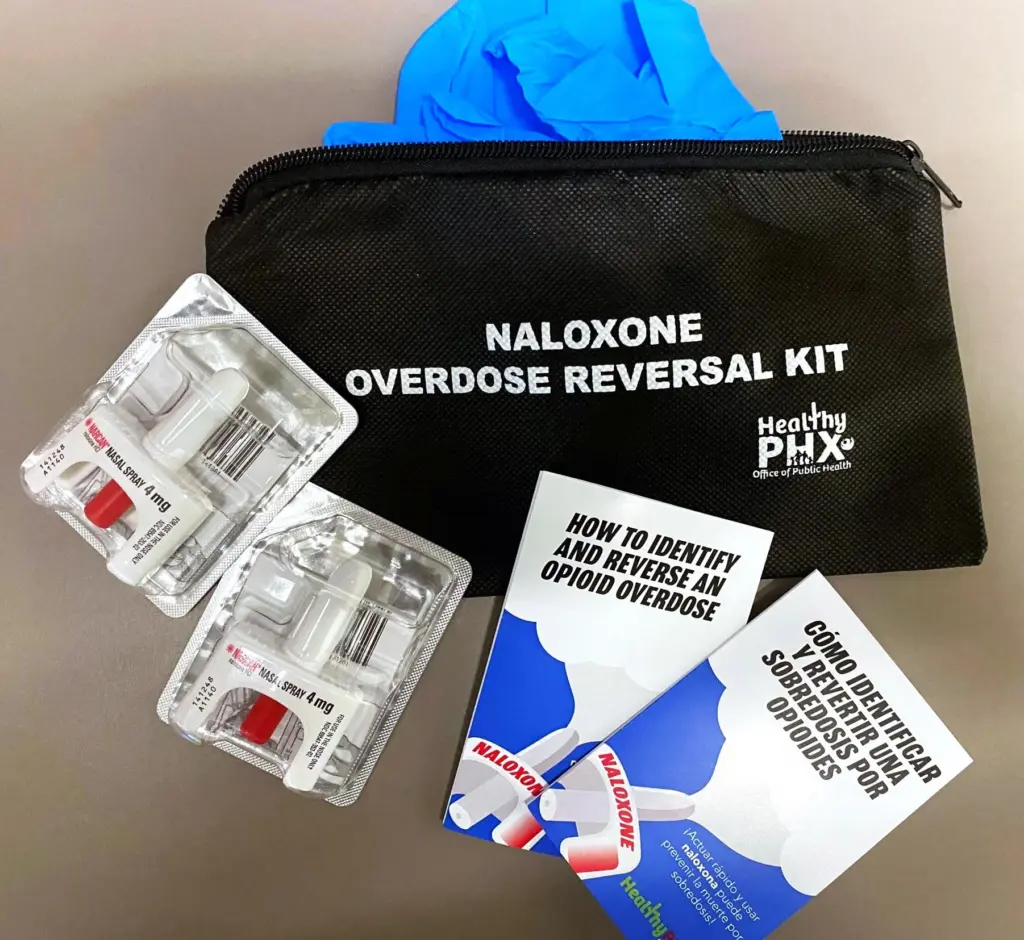
How Is Naloxone Given?
Naloxone can be administered in several formulations:
- Nasal spray the most common and user-friendly for non-professionals.
- Injectable forms used by healthcare workers and trained responders.
Anyone can give naloxone when an overdose is suspected bystanders, family members, friends, or first responders.
Recognizing an Opioid Overdose
Common signs of an opioid overdose include:
- Very slow or stopped breathing
- Unresponsiveness or unconsciousness
- Small, “pinpoint” pupils
- Pale or bluish skin, especially lips or fingertips
If you see these signs, seek emergency medical help immediately and administer naloxone if available.
Why Naloxone Matters
Opioid overdoses are a leading cause of preventable death in many countries. Having naloxone readily available and knowing how to use it dramatically increases the chances of survival. Community distribution programs and policies that make naloxone accessible have been shown to reduce overdose deaths.
Important Notes for Safety
- Naloxone works quickly, but its effect may be temporary. Some opioids last longer in the body than naloxone itself, so multiple doses or emergency medical follow-up can be needed.
- Always call emergency services first, even if naloxone is given.
- Training and free naloxone kits may be available through local health departments, community organizations, and some pharmacies.
A Call to Action: Awareness Saves Lives
Understanding what naloxone is, recognizing the signs of an overdose, and ensuring access to naloxone can help save lives in your community. If you or someone you know is at risk of opioid overdose, consider carrying naloxone and learning how to use it, it could make the difference between life and death.
Credit to :
National Institute on Drug Abuse+1
MedlinePlus Magazine
Irp CDN Website
National Institute on Drug Abuse
Nalox Kit Store
See more Harm Reduction articles here.
Reports are sourced from official documents, law-enforcement updates, and credible investigations.
Discover additional reports, market trends, and crime analysis on DarkDotWeb to stay informed about the latest dark web operations.