





In January 2025, Ross Ulbricht, the founder of the first darknet marketplace Silk Road, was released after serving 12 years in prison.
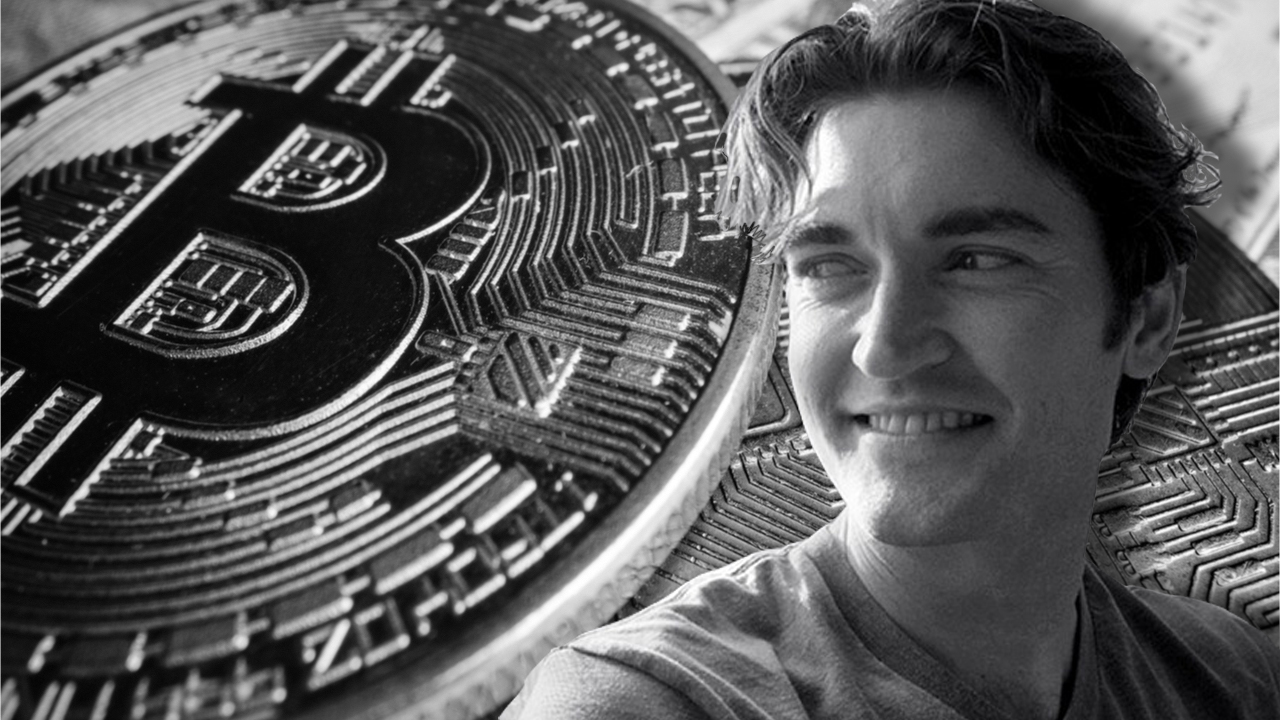
He was granted a full pardon by U.S. President Donald Trump, fulfilling one of his most high-profile campaign promises. What’s most striking about this story isn’t just the pardon itself — it’s that within less than half a year of being released, Ulbricht became a millionaire.
How it all began
In the early 2010s, Ross Ulbricht launched Silk Road — an anonymous online marketplace that operated on the darknet and accepted only Bitcoin. The platform quickly became legendary: tens of thousands of transactions were conducted daily, involving illegal goods such as drugs, weapons, and counterfeit documents. U.S. authorities called Silk Road “the most sophisticated and extensive criminal marketplace on the internet.”
In 2013, Ulbricht was arrested, and in 2015 he was sentenced to two life terms plus 40 years without the possibility of parole. The charges included conspiracy to commit money laundering, computer hacking, and drug trafficking.
At the time of his arrest, Ross Ulbricht controlled approximately 144,000 BTC, stored on his personal laptop. Back then, those assets were worth around $17.4 million, based on Bitcoin’s market price of about $121 per coin.
After his arrest, the FBI seized all of his assets. In 2014, the U.S. government auctioned off 29,657 BTC for approximately $18 million. The remaining 144,336 BTC remained under government control and were later sold as well.
Taking into account Bitcoin’s rise to over $100,000 in 2025, those assets would now be worth more than $15 billion.
In addition, according to blockchain analyst Conor Grogan, there are wallets believed to be linked to Ulbricht that still hold around 430 BTC. These funds have remained untouched for over 13 years, and it’s unclear whether Ulbricht has access to the private keys.
Support from the crypto community
Despite the seriousness of the charges, Ross Ulbricht became a cult figure in the crypto community during his years behind bars—especially among those who see Bitcoin not just as a financial tool but as a political idea of decentralization and freedom. Many viewed him as a victim of the U.S. justice system’s repressive approach. Through the Free Ross platform, activists raised both financial and moral support for him. Over the years, more than 600,000 people signed a petition demanding his pardon, and the campaign was backed by crypto influencers, libertarians, and various public figures.
After Donald Trump officially announced Ulbricht’s full pardon, much of the crypto community welcomed the news with enthusiasm. For many, it was more than just an act of mercy—it was a political statement in support of decentralization and crypto technology.
Ben Sigman, author of The Big Bitcoin Book, called Ulbricht’s release a major victory against government overreach. In a post on X, he emphasized that the issue wasn’t just about Ross, but about the broader power of the state and its ability to crush individuals with vague legal definitions.
Following Ulbricht’s release, the Free Ross campaign regained momentum. As of early June, more than $130,000 had been raised in his support, including a 1 BTC donation. Payments company Strike also launched a merch line in his honor, with all profits—after expenses—going directly to Ross.
How Ulbricht became a millionaire again
The biggest financial moment for Ross after his release came on May 30, 2025, when a wallet associated with him received a 300 BTC transaction—worth approximately $31.4 million at the time. Analysts from Arkham Intelligence confirmed the transfer and noted that the funds were routed through the Bitcoin mixer Jambler, making it difficult to trace their origin.
Blockchain investigator ZachXBT dismissed speculation that the coins were part of the old Silk Road stash. According to him, it was a genuine one-time donation from an anonymous benefactor—likely the largest ever received in the history of the Free Ross campaign.
In addition,Ulbricht held an auction of personal items through the NFT platform Scarce City. The lots included prison ID cards, paintings created behind bars, and the clothes he wore when released—such as a tracksuit and sneakers. Other items included a sleeping bag, backpack, locker padlock, and a djembe drum. The total proceeds exceeded $1.8 million in Bitcoin. The most expensive item was a prison ID card featuring Ross smiling, which sold for 5.5 BTC (over $580,000).
Return to public life
After being released in early 2025, Ross Ulbricht quickly returned to the spotlight. His first public appearance took place on the main stage of Bitcoin 2025 in Las Vegas—one of the largest events in the industry. The crowd gave him a standing ovation, and his presence sparked intense emotions throughout the hall.
From the stage, Ulbricht thanked everyone who supported him during his time in prison and urged the community to stay true to the values on which the crypto movement was built: decentralization, freedom, transparency, and mutual support.
Today, Ulbricht’s crypto portfolio is estimated to exceed $33 million, factoring in the 300 BTC donation and auction proceeds. In addition, some reports suggest that about 430 BTC remain untouched on wallets linked to Silk Road—coins that were neither spent nor confiscated.
Ross himself says he now wants to focus on public work: speaking engagements, educational outreach, and supporting new decentralized projects. Whether he will become a true leader of the crypto community or remain a symbol of rebellion remains to be seen. But one thing is certain—his return has reignited deep conversations about morality, justice, and the true cost of freedom in the world of crypto.
Reports are sourced from official documents, law-enforcement updates, and credible investigations.
Discover additional reports, market trends, crime analysis and Harm Reduction articles on DarkDotWeb to stay informed about the latest dark web operations.