







From secret online bazaar to global law enforcement takedown — the story of AlphaBay, its seizure, and the legal consequences for those involved.
Introduction
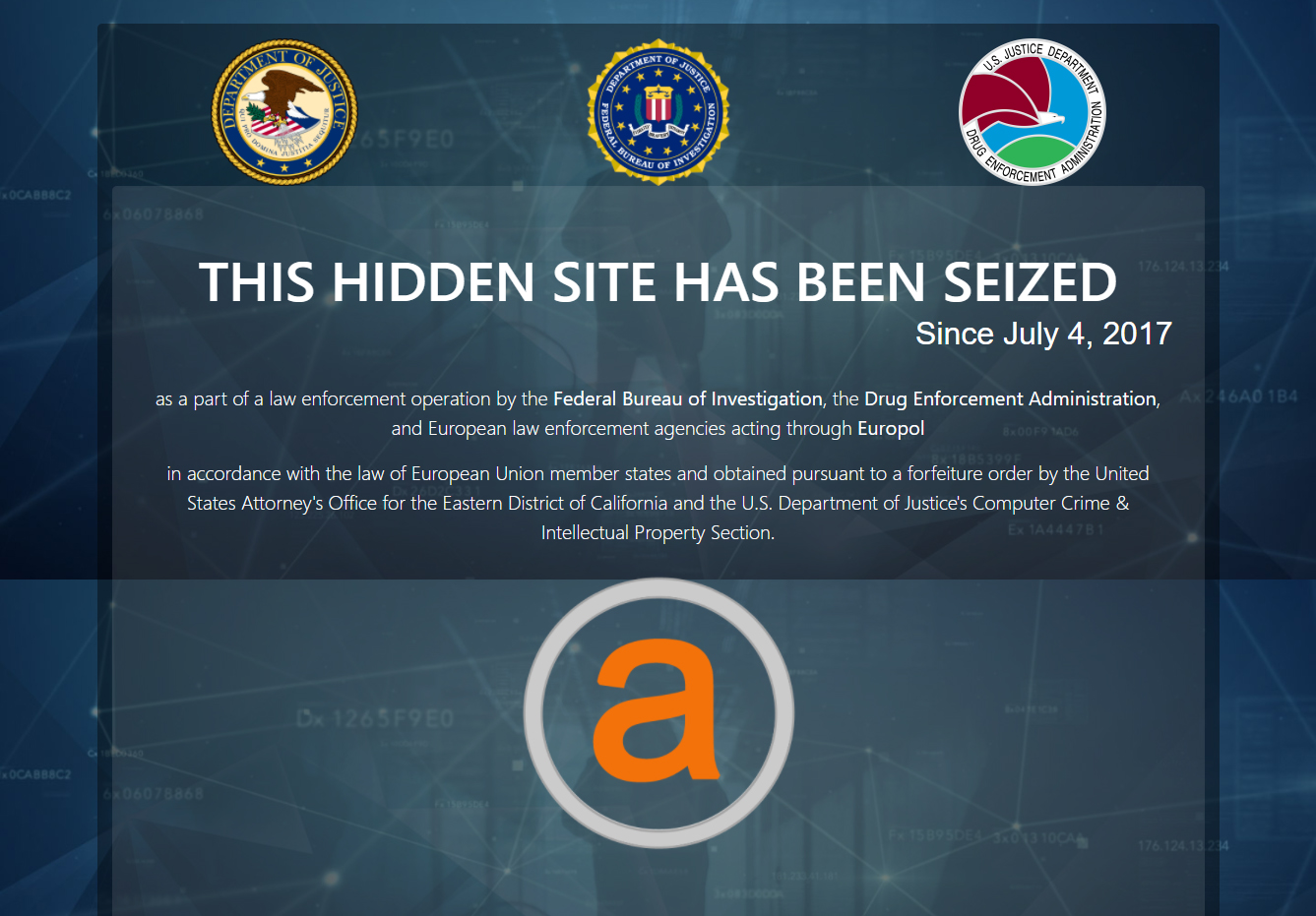
In July 2017, law enforcement agencies across the globe executed one of the largest coordinated operations in history against criminal activity on the dark web. At the center of this effort was AlphaBay, a massive anonymous online marketplace that facilitated the sale of illegal drugs, stolen data, counterfeits, malware, and more. The marketplace’s seizure and the legal consequences that followed highlighted both the technological challenges and the global cooperation required to confront cyber-facilitated crime.
What Was AlphaBay?
AlphaBay operated as a hidden service on the Tor network, where both user identities and server locations were concealed. Launched in December 2014, by mid-2017 it had grown to host over 250,000 listings for drugs and hundreds of thousands more for stolen identities, malware, counterfeit goods, weapons, and other illicit items — making it significantly larger than earlier darknet marketplaces like Silk Road.
Transactions on AlphaBay were conducted using cryptocurrencies such as Bitcoin, Monero, and Ethereum to further obscure financial trails. Users were able to buy and sell illegal goods with a high degree of anonymity, and the platform was linked to multiple overdose deaths due to drug purchases made on the site.
Operation Bayonet: Takedown
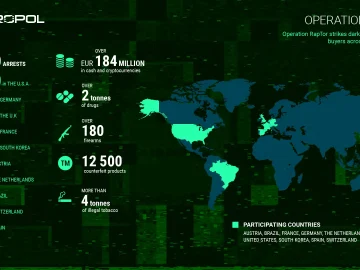
The July 2017 shutdown of AlphaBay was part of a larger international effort known as Operation Bayonet, which targeted both AlphaBay and another major dark web marketplace, Hansa. The operation was coordinated by law enforcement agencies from countries including the United States, Canada, the Netherlands, Lithuania, the United Kingdom, France, and Thailand, with major support from Europol.
In the early days of July 2017, Thai authorities arrested AlphaBay’s founder and administrator, Alexandre Cazes (also known online as Alpha02 and Admin) in Bangkok, at the request of U.S. law enforcement. Cazes was living in Thailand and possessed global assets, including millions in cryptocurrency and luxury properties, all of which authorities seized as part of the takedown.
Charges against Alexandre Cazes
A federal indictment filed on June 1, 2017, in the U.S. District Court for the Eastern District of California charged Cazes with a wide range of offenses related to his operation of AlphaBay, including:
- Conspiracy to engage in racketeering
- Conspiracy to distribute narcotics
- Multiple counts of drug distribution
- Conspiracy to commit identity theft and access device fraud
- Trafficking in device-making equipment
- Money laundering conspiracy
These charges illustrated how deeply AlphaBay’s operations were interwoven with criminal networks Explore the rise and fall of the Silk Road dark web marketplace, including its FBI seizure, criminal charges, and sentencing of key figures.around the world. Prosecutors also pursued civil forfeiture actions against Cazes and his wife’s assets located in several countries.
However, Cazes died in custody in Thailand on July 12, 2017 — a week after his arrest. Authorities reported that he died by suicide before he could be extradited to the United States to face trial.
Because Cazes died before trial, the federal charges against him remained unresolved in U.S. courts — meaning he neither faced conviction nor a formal sentence under U.S. law.
Other Individuals Charges and Sentenced
Although Cazes never stood trial, several individuals associated with AlphaBay have been charged and convicted:
- Bryan Connor Herrell, a 25-year-old from Colorado, acAlphaBayted as a moderator on AlphaBay (under aliases such as Penissmith and Botah) and managed disputes and site operations. He pleaded guilty to racketeering charges and was sentenced in 2020 to 11 years in federal prison for his involvement.
- Vendors and distributors who used AlphaBay have also faced prosecution. For example, individuals such as Abdullah Almashwali and Chaudhry Ahmad Farooq were prosecuted in 2017 for conspiracy to distribute heroin and cocaine via AlphaBay, with Almashwali sentenced to 6.5 years in prison and Farooq pleading guilty to related charges.
Other federal and international cases tied to AlphaBay activity have resulted in additional arrests and long prison terms for drug trafficking, identity theft, money laundering, and related offenses in the years since the marketplace was shut down.
Impact and Legacy
The takedown of AlphaBay represented a milestone in cybercrime enforcement, demonstrating that even large, sophisticated, and supposedly anonymous darknet markets are vulnerable to international law enforcement cooperation. Authorities seized millions in cryptocurrency and worked across borders to disrupt the infrastructure underpinning illegal online tAlphaBayrade.
Moreover, the AlphaBay operation underscored the continued growth of darknet commerce and the evolving cat-and-mouse dynamic between criminals using privacy tools (Tor, crypto) and investigators using both traditional and cutting-edge techniques to unravel them.
AlphaBay’s rise and dramatic fall in 2017 highlighted the immense scale of online illicit trade and the ambition of law enforcement to confront it. From its position as the largest dark web marketplace to its seizure through Operation Bayonet and the legal consequences for some of its operators and users, the AlphaBay case remains a defining chapter in the battle against cyber-facilitated crime.
Reports are sourced from official documents, law-enforcement updates, and credible investigations.
Discover additional reports, market trends, crime analysis and Harm Reduction articles on DarkDotWeb to stay informed about the latest dark web operations.