







Explore the rise and fall of the Silk Road dark web marketplace, including its FBI seizure, criminal charges, and sentencing of key figures.
Introduction
In the early 2010s, the Silk Road dark web marketplace became the most notorious anonymous online bazaar for illegal drugs and contraband. Operated on the Tor network and using Bitcoin for payments, it embodied both the promise and peril of anonymous internet technologies. Law enforcement eventually shut it down, leading to high-profile arrests, convictions, and long prison sentences capped by the dramatic saga of its founder.
What was Silk Road?
Silk Road began in 2011 as a darknet marketplace accessible only via Tor, a privacy-focused network that obscures users’ locations and identities. Unlike ordinary websites, Silk Road used Bitcoin as its exclusive payment system, making transaction tracking difficult and appealing to buyers and sellers of illegal goods such as narcotics, forged documents, and hacking tools.
At its height, Silk Road was used by thousands of vendors and buyers worldwide, distributing hundreds of kilograms of drugs and laundering hundreds of millions of dollars through its anonymous payment system.
Investigation and Seizure
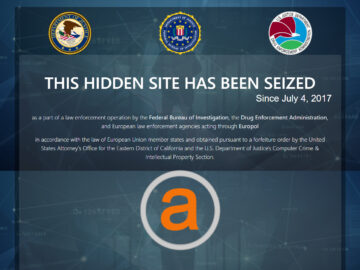
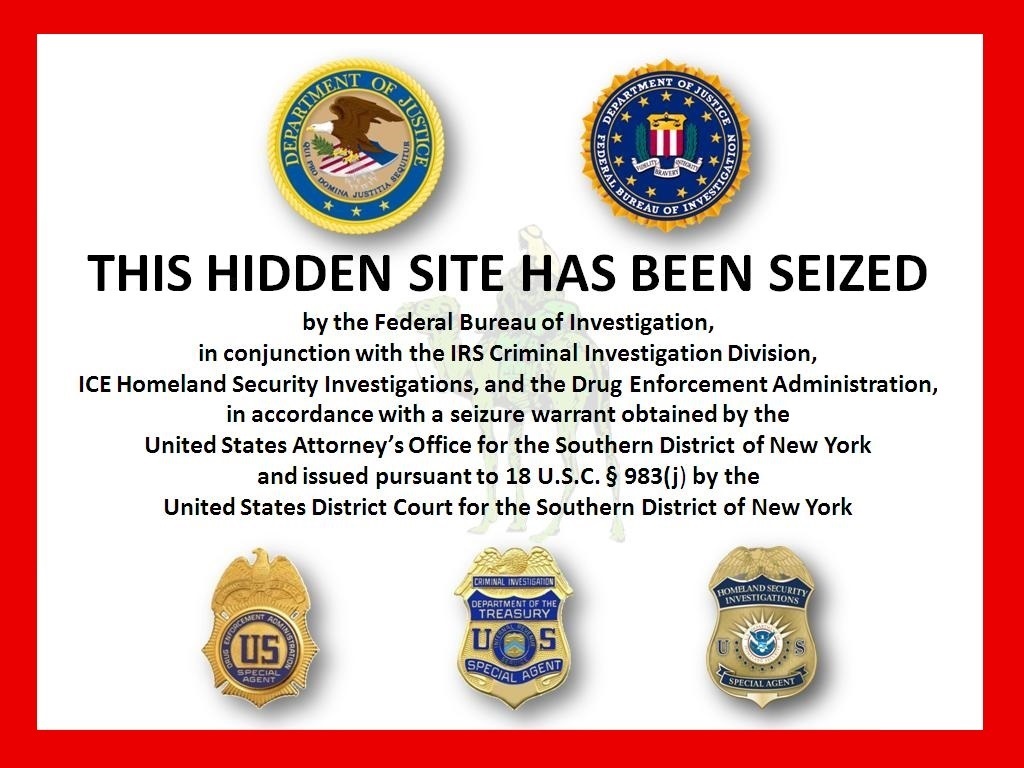
In October 2013, U.S. federal agents executed a coordinated takedown. They arrested Silk Road’s alleged creator, Ross William Ulbricht, in a San Francisco public library, preventing him from deleting evidence by seizing his laptop during an active login session. The FBI also took control of Silk Road’s servers, effectively shutting down the marketplace.
During the seizure of Ulbricht’s electronic devices, investigators recovered a Bitcoin wallet containing an estimated 144,336 Bitcoins one of the largest cryptocurrency seizures at the time.
Ross Ulbricht : Charges and Trial
Ulbricht, then 29, was charged in a Manhattan federal court with multiple serious offenses related to his operation of Silk Road, including:
- Narcotics conspiracy
- Conspiracy to commit computer hacking
- Money laundering conspiracy
- Continuing criminal enterprise
- Conspiracy to traffic in false identity documents
Many of these counts carried mandatory minimum sentences, and several carried potential life imprisonment terms.
At trial, prosecutors presented evidence that Ulbricht ran Silk Road as “Dread Pirate Roberts” and oversaw all aspects of the site’s illegal operations, including escrow systems, vendor relations, and user anonymity via Tor and Bitcoin.
In February 2015, a jury convicted Ulbricht on all counts including drug distribution, organized enterprise, money laundering, and related conspiracies.
Prison Sentence
In May 2015, Judge Katherine Forrest imposed the most severe sentence available, handing Ulbricht two concurrent life sentences plus an additional 40 years, without the possibility of parole. The sentencing reflected the prosecution’s characterization of Silk Road as a massive, sophisticated criminal enterprise that operated beyond law enforcement’s reach.
Other Individuals Charges
Ulbricht did not act alone. Several others were charged in connection with running Silk Road:
- Andrew Michael Jones (“Inigo”), Gary Davis (“Libertas”), and Peter Phillip Nash (“Batman73” / “Symmetry”) were indicted in December 2013 for narcotics conspiracy, money laundering, and computer hacking related to their roles as administrators and moderators on Silk Road.
- Nash pleaded guilty to narcotics and money laundering conspiracies and faced significant prison time when sentenced in 2015.
- Sentencing details for Jones and Davis varied, with extraditions and proceedings in multiple countries.
- James Zhong, a defendant in a related Silk Road cryptocurrency fraud case, was sentenced in 2023 to 1 year and 1 day in prison for a wire fraud scheme that involved obtaining and concealing tens of thousands of Bitcoins tied to Silk Road. Authorities also obtained forfeiture orders for more than 51,680 Bitcoin linked to the scheme.
Corruption Within the Investigation
The Silk Road saga also exposed corruption among law enforcement. Two federal agents who worked on the Silk Road investigation a former DEA agent Carl Mark Force IV and Secret Service agent Shaun Bridges were found to have stolen Bitcoin during the probe, diverted funds, and committed obstruction and money laundering. Both were convicted and sentenced to multiple years in federal prison for their roles.
Full Pardon of Ross Ulbricht
After more than a decade behind bars and despite the severity of his original sentence being widely debated, Ulbricht received a full pardon from U.S. President Donald Trump on January 21, 2025. The pardon commuted his life sentences and resulted in his release after serving roughly 11 years. This decision drew significant attention due to the contrasting views of Ulbricht as either a libertarian icon or a facilitator of drug trafficking.
Impact and Legacy
The fall of Silk Road marked a watershed moment in cybercrime enforcement. It demonstrated that anonymity tools like Tor and Bitcoin could be infiltrated by dedicated law enforcement efforts, and it underscored the legal risks of operating or participating in illegal darknet marketplaces. The case also raised important questions about sentencing severity, digital privacy, and the future of cryptocurrency regulation.
The story of Silk Road from digital black market to federal courtroom, serves as both a cautionary tale and a historic case study in cyber law enforcement. The takedown and sentencing of Ross Ulbricht, the prosecution of others involved, and the unexpected corruption and subsequent pardon continue to shape debates around anonymity, illicit markets, and justice in the digital age.
Reports are sourced from official documents, law-enforcement updates, and credible investigations.
Discover additional reports, market trends, crime analysis and Harm Reduction articles on DarkDotWeb to stay informed about the latest dark web operations.