







A look at the Wall Street Market darknet seizure and how international agencies dismantled one of the web’s largest illicit marketplaces.
Introduction
In May 2019, international law enforcement agencies successfully dismantled Wall Street Market (WSM) — one of the largest and most active darknet marketplaces — in a coordinated takedown that underscored global cooperation against online criminal enterprises.
What Was Wall Street Market?
Wall Street Market was a prominent darknet marketplace operating on the encrypted Tor network, accessible only via specialized anonymity software. The platform functioned much like a conventional e-commerce site, but instead of legal goods and services, it facilitated the trade of illegal drugs, stolen data, forged documents, malware and other contraband.
At its peak, WSM hosted approximately 5,400 vendors and over 1 million registered customers worldwide, with transactions conducted primarily using cryptocurrencies such as Bitcoin and Monero to obscure payment trails.
International Investigation and Arrests
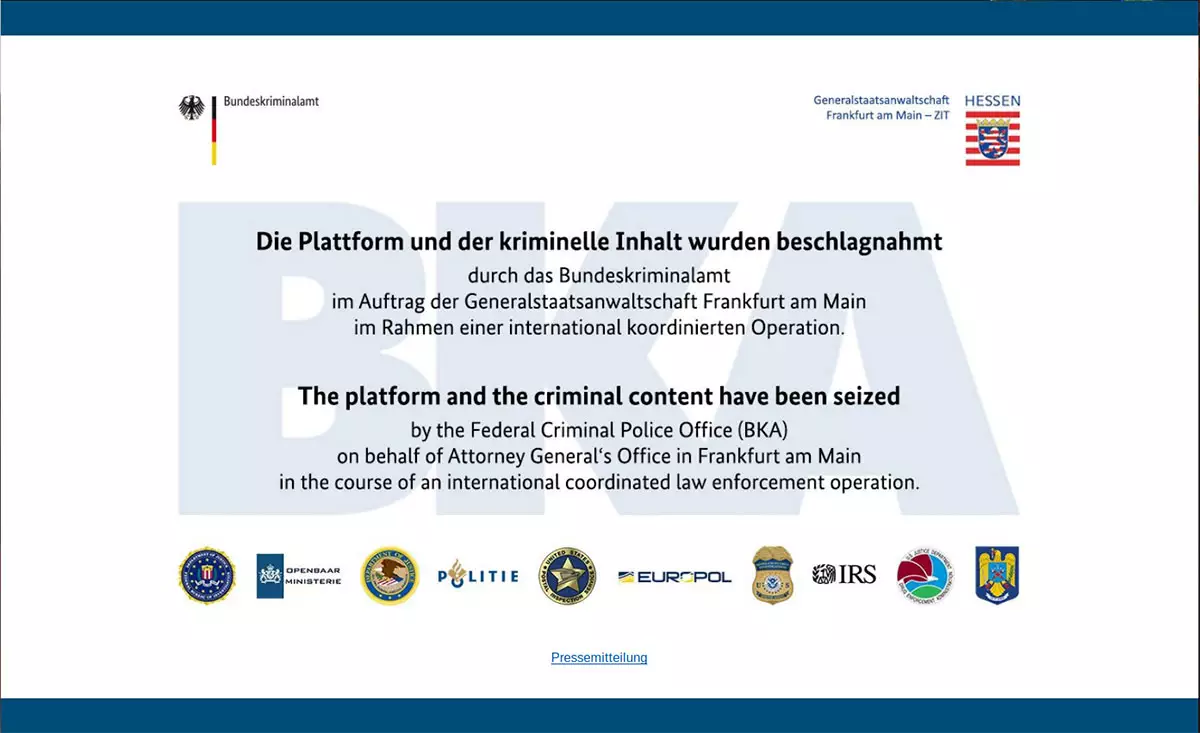
The investigation into Wall Street Market was a multi-year effort involving a wide range of law enforcement agencies, including:
- Germany’s Federal Criminal Police (BKA)
- The U.S. Drug Enforcement Administration (DEA)
- The Federal Bureau of Investigation (FBI)
- The Dutch police and public prosecution
- Europol and Eurojust
These partners worked together across borders to trace the operations and infrastructure of the marketplace.
Europol and Eurojust
These partners worked together across borders to trace the operations and infrastructure of the marketplace.
In April 2019, authorities executed coordinated raids in both Germany and the United States, leading to the arrest of three German nationals alleged to be the administrators of WSM. A fourth individual — a Brazilian national who acted as a site moderator — was also charged.
The Exit Scam That Helped Unravel WSM
Shortly before the takedown, Wall Street Market’s administrators allegedly attempted an exit scam — a common practice in darknet markets where operators abruptly shut down the site and steal the funds held in escrow. According to U.S. prosecutors, this exit scam involved diverting an estimated $11 million in cryptocurrencies into the administrators’ personal accounts, drawing intensified law enforcement scrutiny.
This sudden shutdown raised red flags and provided crucial leads for investigators, helping to expose the identities and locations of those running the marketplace.
Seizure and Aftermath
Once the arrests were made, authorities seized the Wall Street Market servers, shut down the platform, and impounded evidence including cash, cryptocurrency, and server hardware.
The dismantling of WSM not only removed a major conduit for illegal goods and services on the dark web, but also sent a clear message about the reach and effectiveness of transnational law enforcement collaboration. As U.S. and German officials emphasized, the case demonstrated that criminals using advanced technology to evade detection are still vulnerable to coordinated investigative techniques and legal action.
The Wall Street Market takedown fits into a larger pattern of law enforcement actions against dark web markets. Earlier operations, such as Operation Bayonet and Operation Onymous, targeted other major darknet platforms like AlphaBay, Hansa, and Silk Road. These efforts have removed millions of dollars worth of illicit goods and cryptocurrencies from underground digital economies and have disrupted their operators’ ability to hide behind encryption and anonymity.
Reports are sourced from official documents, law-enforcement updates, and credible investigations.
Discover additional reports, market trends, crime analysis and Harm Reduction articles on DarkDotWeb to sArchetyptay informed about the latest dark web operations.