







Primary-aged children are among almost 300 pupils to have been suspended or excluded from Norfolk schools for taking drugs in the past year.
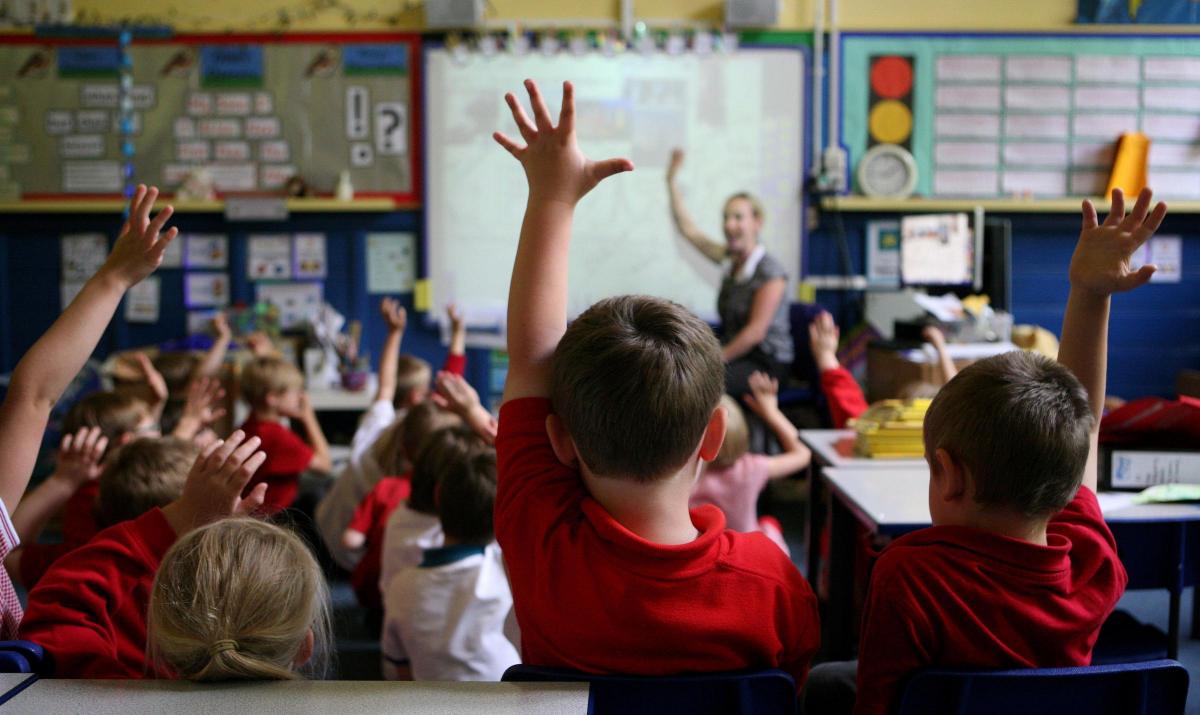
In total, 259 pupils were suspended for using illicit substances, of whom two were in primary schools. A further 11 secondary school age children were excluded.
The figures have emerged in an investigation into the scourge of drug use among Norfolk children which also found 120 youngsters had accessed treatment for drugs and alcohol in the county last year.
Nearly 10pc of children seeking treatment are under 14 years of age.
Ministers have blamed social media for making it easier for youngsters to buy illicit substances online, which they say is fueling a rise in the number of children seeking treatment nationally.
Officials say young people are facing long waits to receive help, describing the situation as a “postcode lottery” as to whether they can access adequate support.
Data obtained by the BBC Shared Data Unit found there were mote than 16,000 under-18s in drug and alcohol treatment in England last year – a 13pc increase from 2023-2024.
The number of children seeking help in Norfolk has actually decreased, bucking the national trend.
However, the decline is minuscule – a 4pc drop from 125 in 2023-2024 to 120 in 2024-2025. Out of the 120 children seeking treatment in Norfolk, 8pc were under the age of 14 and 46pc were 15 and under. The majority were boys, with 80 children seeking help compared to 40 girls.
Children presented with problems with multiple substances but treatment for cannabis use was the highest issue recorded, with 100 people accessing help.
There were 45 children needing help with alcohol, five for Benzos, 10 for cocaine, 20 for ecstasy, 25 for ketamine, 25 for nicotine and five for solvent abuse.
It is the first time nationally that the number of children reporting problems with ketamine abuse has exceeded those needing help for ecstasy, reflecting a stark increase nationally in rising rates of ketamine users.
There were no children reported as receiving treatment for opiate or crack cocaine abuse. Taking illicit drugs can greatly affect children’s education. The majority of referrals for drug treatment came from schools and the courts.
CompNorfolk primary school children suspended for drugsared to other areas, Norfolk is among the top 50 for the highest number of children receiving treatment for drug abuse.
Suffolk had 90 children accessing treatment, 11pc of whom were under 14 years of age.
Professor Dame Carol Black, the government’s independent adviser on drugs, said the “choices of drugs available”, the “high contribution” of social media making it easy to buy drugs online, “many social circumstances” and a “very worrying increase” in mental health problems among young people are among factors contributing to a rise in under-18s in drug treatment.
Children’s commissioner, Rachel de Souza, warns that some children are facing long waits to access treatment.
She said: “Children should never be denied health care because of where they live. I’m deeply concerned that too many children face this kind of postcode lottery in accessing specialist support for dealing with drugs and addiction.
“They have told me about long waits for all kinds of healthcare causing their conditions to deteriorate, leaving young people frustrated and anxious not knowing when help will be given.
“No matter the issue, children and young people must be able to access the treatment they need close to home, to help them recover quickly and rebuild stability in their lives with support from their loved ones.”
SheNorfolk primary school children suspended for drugs has called for a cross-government approach to children’s health and well-being with prevention and early intervention “at its heart”.
Norfolk County Council is confident that children are being offered proactive support.
Councillor Fran Whymark, cabinet member for public health and well-being, said: “The number of children and young people in treatment has remained stable over the past year.
“Norfolk County Council Public Health commissions these services from the Matthew Project’s Unity Service.
“The Unity Service is proactive in collaborating with partners, including schools, to identify and support young people with drug and alcohol-related needs.
“They offer confidential advice and guidance through their consultation line for anyone concerned about a young person’s substance use.
“The service ensures that young people who need help are contacted and supported into treatment interventions promptly, meeting the national target of starting treatment within three weeks of referral.”
A spokesman for the Department of Health and Social Care said: “We are committed to ensuring that anyone with a drug or alcohol problem can access the help and support they need.
“That’s why, from 2026, all treatment and recovery funding will be channelled through the Public Health Grant, with over £13 billion allocated across three years, including £3.4 billion ring-fenced for drug and alcohol treatment and recovery.
“Through our 10 Year Health Plan, we will also continue to expand support as we shift the focus from sickness to prevention.”
Reports are sourced from official documents, law-enforcement updates, and credible investigations.
Discover additional reports, market trends, crime analysis and Harm Reduction articles on DarkDotWeb to stay informed about the latest dark web operations.