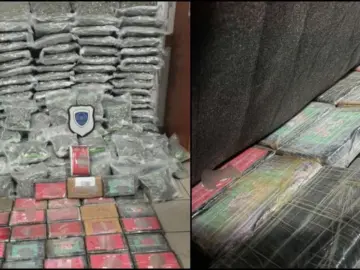








California reports $506M in illicit fentanyl seized since 2021 via expanded border interdiction, with major drug and weapons enforcement gains.
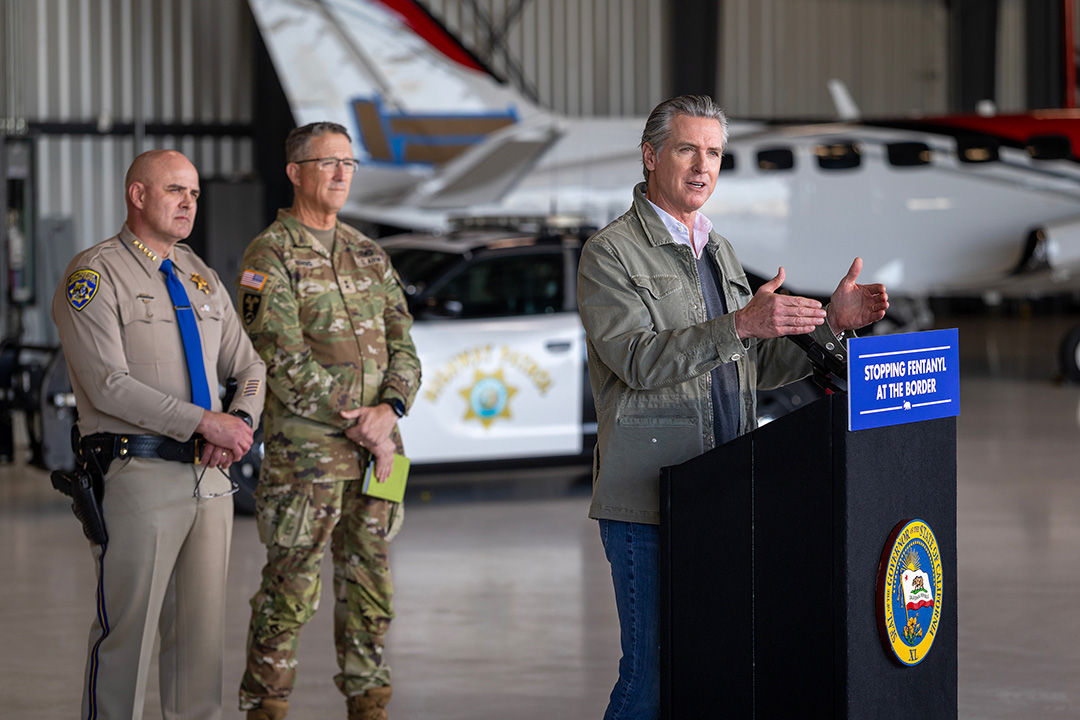
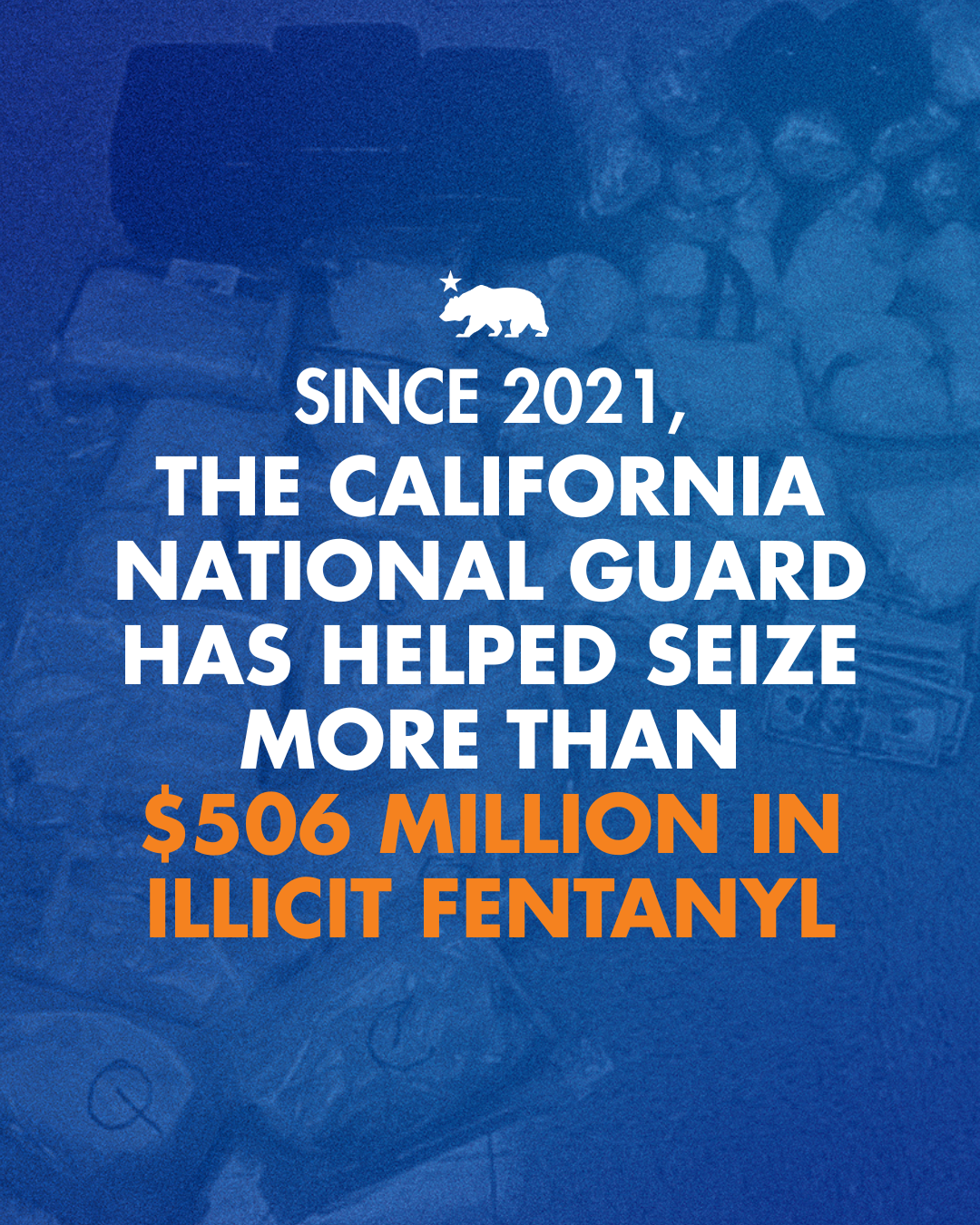
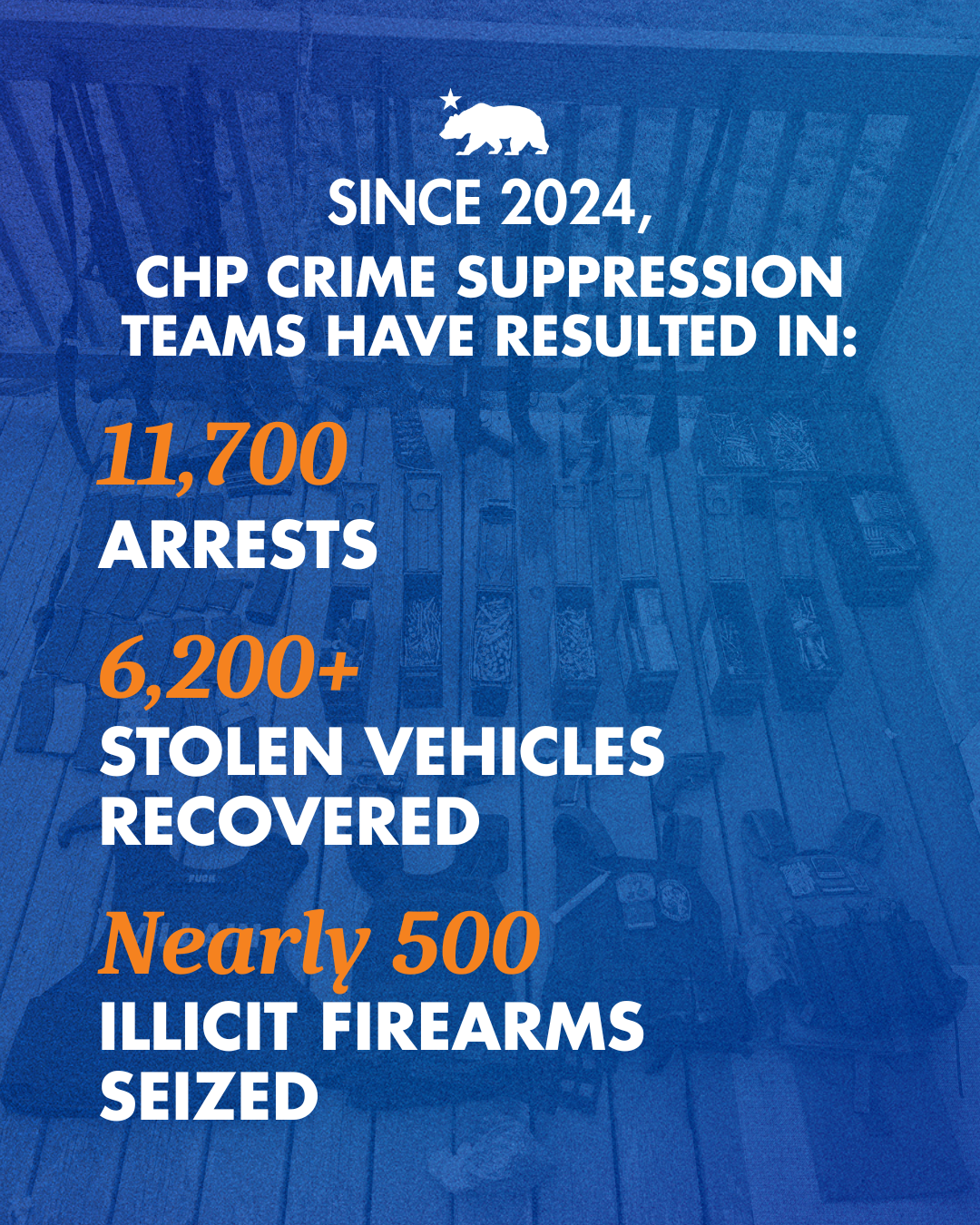
In 2021, Governor Newsom launched a major expansion of California’s border drug-interdiction operations, redirecting the California National Guard toward stopping fentanyl traffickers. Since then, those efforts have helped seize more than $506 million in illicit fentanyl. At the same time, intensified CHP enforcement statewide has led to 11,700 arrests, thousands of stolen vehicles recovered, and hundreds of illegal firearms seized.
SAN DIEGO, CALIFORNIA – California Governor Gavin Newsom announced a record achievement in public safety linked to the state’s expanded border drug-interdiction strategy. Since 2021, when Newsom directed significant resources toward countering fentanyl trafficking, authorities have helped seize illicit fentanyl with an estimated street value of more than $506 million before it could reach local communities.
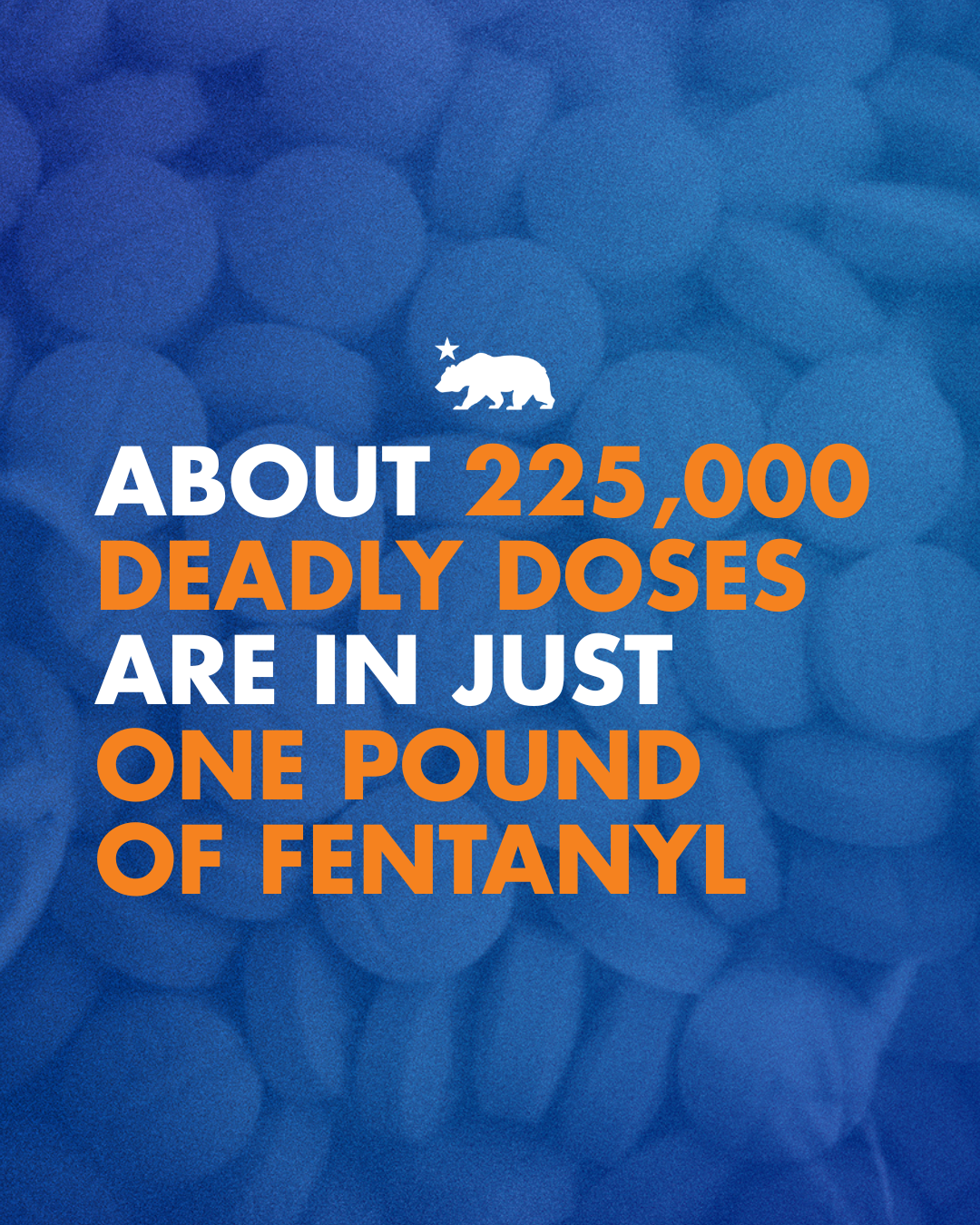
Under the initiative launched in 2021, the California National Guard has been deployed to support drug interdiction efforts at ports of entry and along key transportation routes. With a $30 million state investment backing these operations, members of the Guard’s Counter Drug Task Force have assisted in confiscating over 34,000 pounds of fentanyl, including more than 50 million potentially lethal pills, intercepting them before distribution.
In addition to border interdiction work, the California Highway Patrol (CHP) has intensified enforcement throughout the state. These efforts include the deployment of specialized crime suppression teams, resulting in thousands of arrests, the recovery of more than 6,200 stolen vehicles, and the seizure of nearly 500 illegal firearms since 2024.
State officials highlighted that fentanyl remains one of the most dangerous drugs affecting California, often mixed with other substances and capable of causing fatal overdoses in very small amounts.
As part of the broader response to the opioid crisis, California has expanded access to naloxone, a life-saving overdose reversal medication, through its Naloxone Distribution Project, helping communities and first responders statewide. The administration also launched opioids.ca.gov, a centralized resource for prevention, treatment, and public education on the fentanyl and opioid crisis.
Governor Newsom’s office reported that these combined strategies—interdiction at the border, enhanced CHP enforcement, and expanded public health measures—are contributing to disrupted criminal networks and greater protections for California residents.
Reports are sourced from official documents, law-enforcement updates, and credible investigations.
Discover additional reports, market trends, crime analysis and Harm Reduction articles on DarkDotWeb to stay informed about the latest dark web operations.