







Australian police uncover a 4-ft crocodile, dozens of snakes, lizards and other animals alongside an alleged cannabis grow during a drug raid.
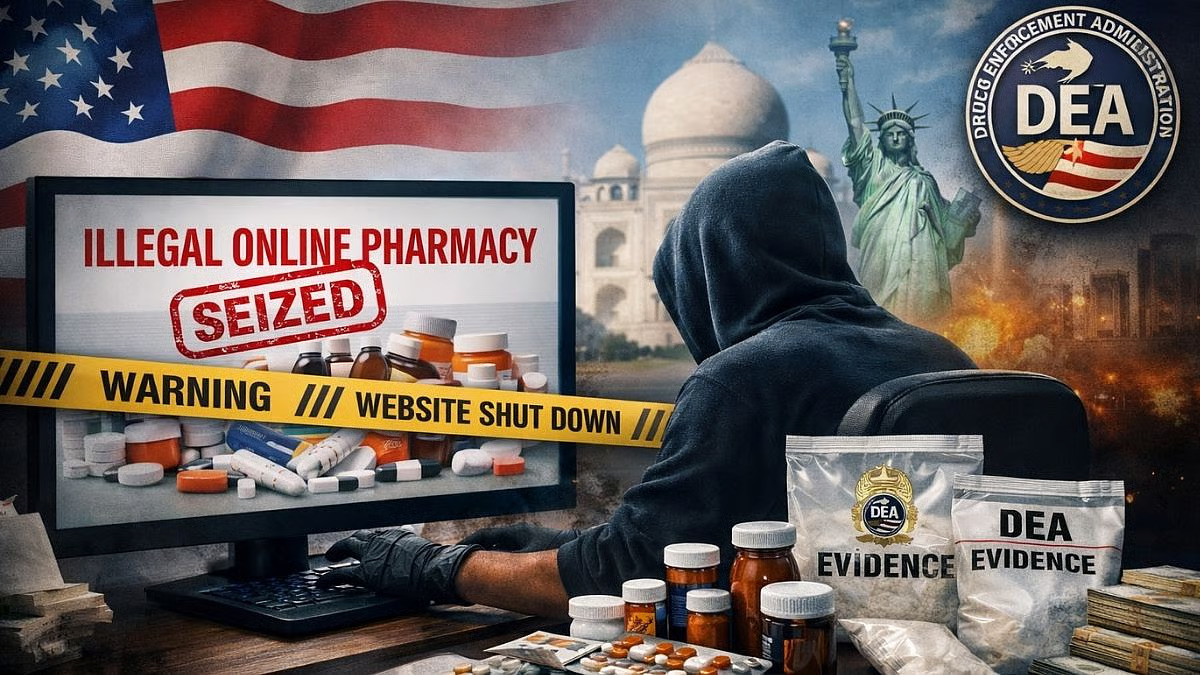
In an effort to curb the illegal online sale of controlled medicines in the United States, the Drug Enforcement Administration (DEA) has seized 200 website domains linked to an India-based transnational criminal network operating in the US. In a related move, four individuals were arrested. The crackdown, conducted under Operation Meltdown in coordination with Indian law enforcement agencies, signals a tougher stance against illicit digital drug markets, particularly those dealing in opioids that pose serious public health risks.
Under US law, controlled pharmaceuticals may be sold only by licensed pharmacies and only with valid prescriptions. However, authorities say numerous rogue websites bypass these safeguards, distributing counterfeit or dangerous drugs often mixed with opioids such as fentanyl. Fentanyl, a highly potent synthetic opioid, has been central to the ongoing opioid crisis in the US, contributing to widespread addiction, overdoses, and drug-related deaths. The substance has remained a focus of US enforcement efforts since the Trump administration’s first term.
According to a DEA report released six years ago, India emerged as a key source of fentanyl precursors and finished opioids, particularly after China tightened export controls. Acting on US intelligence, Indian authorities shut down an illegal fentanyl manufacturing unit in Indore. In another operation, Mumbai’s anti-narcotics cell seized 100 kilograms of precursor chemicals and arrested four individuals. The continued movement of controlled substances with links to India is a growing concern, especially amid fears of rising drug addiction among young people.
The expanding use of the dark web, social media platforms, and cryptocurrencies to facilitate the trafficking of opioids and other controlled drugs should serve as a warning to enforcement agencies worldwide. While China was once considered the epicenter of fentanyl production, stronger regulatory measures there have shifted the problem elsewhere. The DEA has since focused enforcement efforts on other regions involved in clandestine online drug trade, including Canada and Western Europe, shutting down illegal pharmacy websites in recent years.
Within India, large drug seizures at Gujarat ports and findings by the National Investigation Agency that terrorist groups may be exploiting narcotics trafficking to fund attacks — including incidents such as the Pahalgam tourist massacre — highlight the urgency of stricter oversight. The increasing reliance on cryptocurrencies for illicit transactions further complicates enforcement and demands closer scrutiny.
The Financial Action Task Force has already recommended tighter crypto regulations, requiring virtual asset service providers to retain information on transaction originators and beneficiaries. Limiting the use of cryptocurrencies for certain types of payments could act as an additional safeguard. Ultimately, tackling the dark web drug trade will require sustained international cooperation and coordinated enforcement efforts.
Reports are sourced from official documents, law-enforcement updates, and credible investigations.
Discover additional reports, market trends, crime analysis and Harm Reduction articles on DarkDotWeb to stay informed about the latest dark web operations.