







A UK woman jailed in Japan after drugs were mailed to her says the arrest forced her to confront addiction and begin recovery.
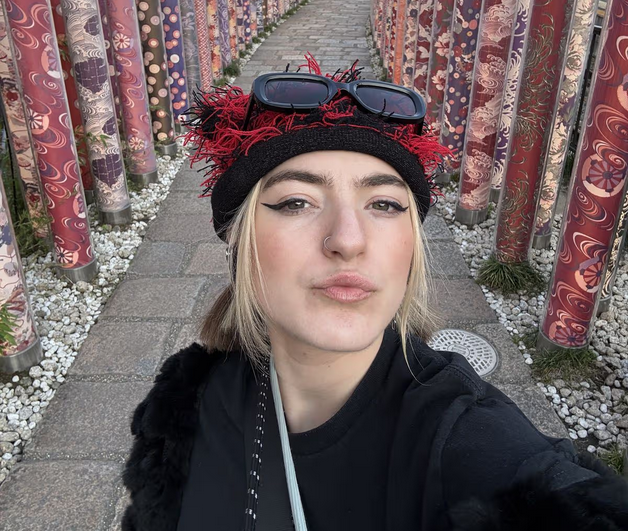
A British woman who spent five months in a Japanese prison after drugs were mailed to her inside a birthday card has said the experience ultimately saved her life.
Izabel Rose, 26, travelled to Tokyo on what was meant to be a month-long work assignment. Within half an hour of landing, she paid £150 for ketamine, arranging for the drugs to be sent from the UK to her accommodation. The package never reached her. Instead, nine Japanese police officers arrived at her door, arrested her, and placed her into custody.
Rose was held in jail for five months while awaiting trial. She later pleaded guilty and received a four-year suspended sentence, allowing her to return to the UK shortly after sentencing. She says the months spent in detention were traumatic but forced her to confront a long-standing drug addiction.
At the time of her arrest, Rose says she did not fully understand the consequences of her actions or the severity of Japan’s drug laws. She believed that if the package was intercepted, it would simply be seized. “I was completely naive,” she said, adding that she thought she could apologise and resolve the situation without serious repercussions.
While incarcerated, Rose experienced severe withdrawal symptoms and describes the prison environment as deeply isolating. She has since said that during the early months of detention she struggled with suicidal thoughts and was close to experiencing psychosis. Over time, however, she began to view the experience as a form of enforced rehabilitation.
“If I’d been in prison in the UK, I probably would have found drugs and ended up in more trouble,” she said. “In Japan, that wasn’t an option.”
Rose began using drugs at the age of 13, initially smoking cannabis before progressing to substances including ketamine, LSD and MDMA. By adulthood, ketamine had become part of her daily routine. She says her drug use escalated gradually and was normalised within her social environment, making it difficult to recognise the severity of her addiction.
Her health deteriorated as her use increased, with frequent abdominal pain and hospital visits. Despite these warning signs, Rose says she remained in denial. When an opportunity arose to travel to Japan for work, she hoped that leaving London would help her get clean. Instead, she continued using and attempted to have drugs sent overseas.
Now sober, Rose has stepped away from her career in marketing and is focusing on addiction recovery and awareness. She shares her experiences publicly, documenting her recovery journey on social media and speaking openly about the risks of substance abuse and the realities of foreign criminal justice systems.
She credits her time in jail with forcing a turning point in her life. “I didn’t understand addiction,” she said. “I thought a change of scenery would fix me. It didn’t — but being forced to stop did.”
Reports are sourced from official documents, law-enforcement updates, and credible investigations.
Discover additional reports, market trends, crime analysis and Harm Reduction articles on DarkDotWeb to stay informed about the latest dark web operations.