







The dark web isn’t just crime. Learn how it supports privacy, free speech, and anonymity beyond illegal activity.
The Dark Web Is Not Just Crime – Debunking a Common Misconception
When most people hear the term dark web, they immediately associate it with illegal activities, cybercrime, drugs, or hackers. This perception has been reinforced by sensational media coverage and pop culture portrayals. However, the idea that the dark web exists only for crime is a major misconception.
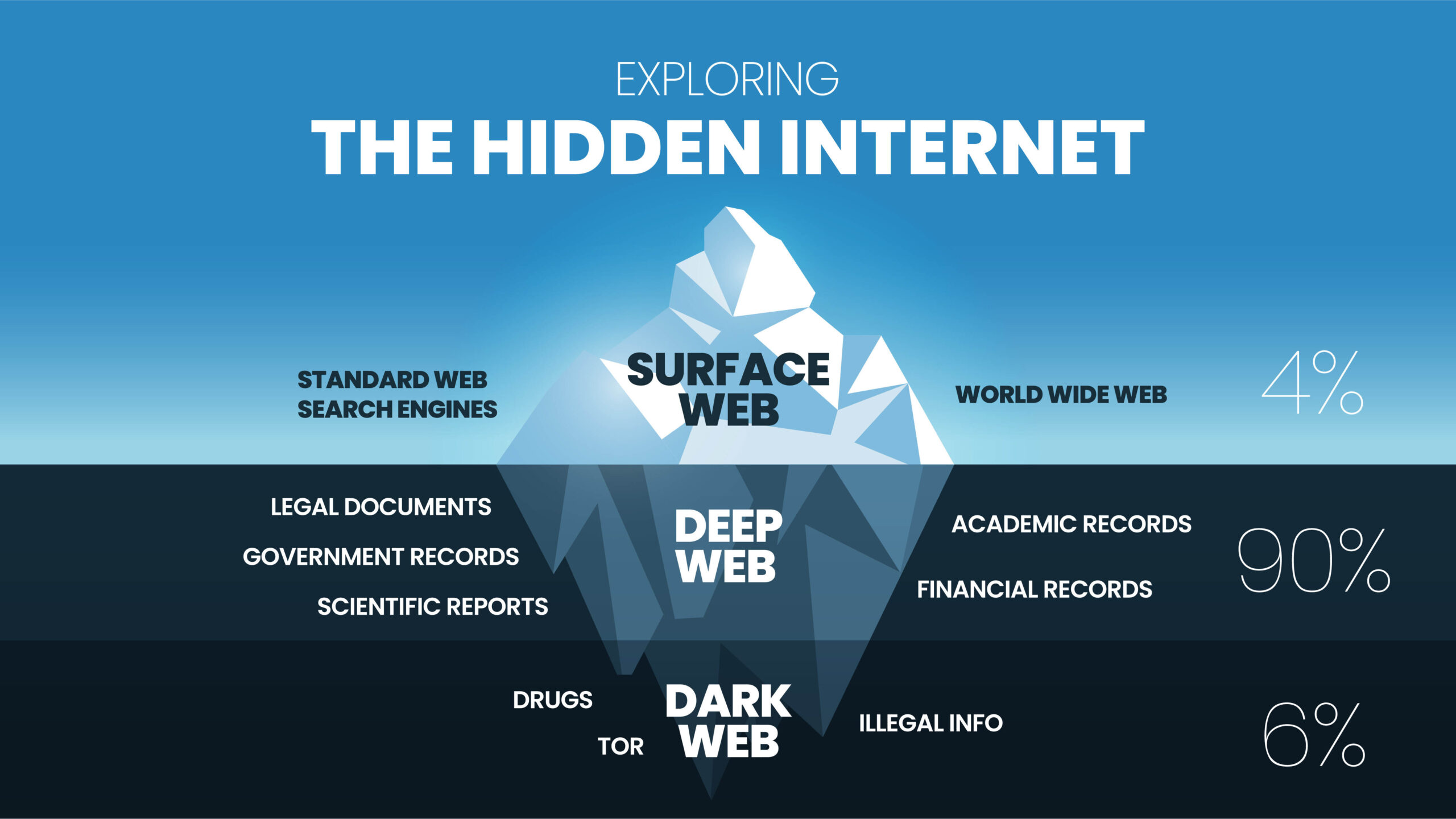
In reality, illegal activity represents only a small percentage of the dark web, while the majority of its use revolves around privacy, anonymity, and freedom of information.
What Is the Dark Web? The dark web is a part of the internet that cannot be accessed through standard browsers like Chrome or Safari. It requires specialized software such as Tor (The Onion Router) to access. Unlike the surface web, the dark web is not indexed by search engines. Its core purpose is anonymity, not criminality. The technology was originally developed to protect communications from surveillance and censorship.
How Much Crime Actually Exists on the Dark Web? Yes, crime exists on the dark web, just as it does on the surface web. However, research and law enforcement reports consistently show that criminal marketplaces and illegal services make up a minority of dark web content.
Many dark web sites are inactive, temporary, or used for legal purposes. Focusing exclusively on illegal activity ignores the broader ecosystem and exaggerates its role. Judging the entire dark web by its criminal elements is no different than judging the regular internet by scams, piracy, or fraud sites.
The dark web plays an important role for individuals and organizations that rely on privacy for safety and free expression. Common legitimate uses include: Journalists protecting sources and exchanging sensitive information Whistleblowers exposing corruption without fear of retaliation.
Human rights organizations communicating securely Researchers and cybersecurity professionals studying privacy tools Privacy-conscious users avoiding tracking, profiling, and data collection Well-known organizations, including major news outlets and NGOs, maintain official dark web websites to ensure secure access.
A major reason the dark web is misunderstood is the assumption that anonymity equals wrongdoing. In reality, privacy is a fundamental digital right. People use passwords, encryption, and private messaging every day. The dark web simply extends these principles to internet browsing and communication.
Wanting privacy does not mean someone is hiding criminal activity it means they value control over their personal data. The dark web’s public image is shaped largely by media sensationalism. Stories about illegal marketplaces and cybercrime generate clicks and fear, while legitimate uses receive little attention.
This one-sided narrative has led many people to believe the dark web is inherently dangerous or illegal, when in fact it is a neutral technology with both positive and negative uses. The dark web is not a lawless wasteland, nor is it a criminal-only network.
It is a privacy-focused layer of the internet that supports free speech, anonymity, and access to information. Crime exists, but it does not define the dark web. Understanding the dark web accurately is essential for meaningful discussions about online privacy, surveillance, and digital freedom in the modern world.
Reports are sourced from official documents, law-enforcement updates, and credible investigations.
Discover additional reports, market trends, crime analysis and Harm Reduction articles on DarkDotWeb to stay informed about the latest dark web operations.