







Part 2 of 7 — A Weekly Sunday Exclusive Series
The rise of El Chapo, Sinaloa Cartel dominance, prison escapes, capture, and the global drug network that shaped modern trafficking.
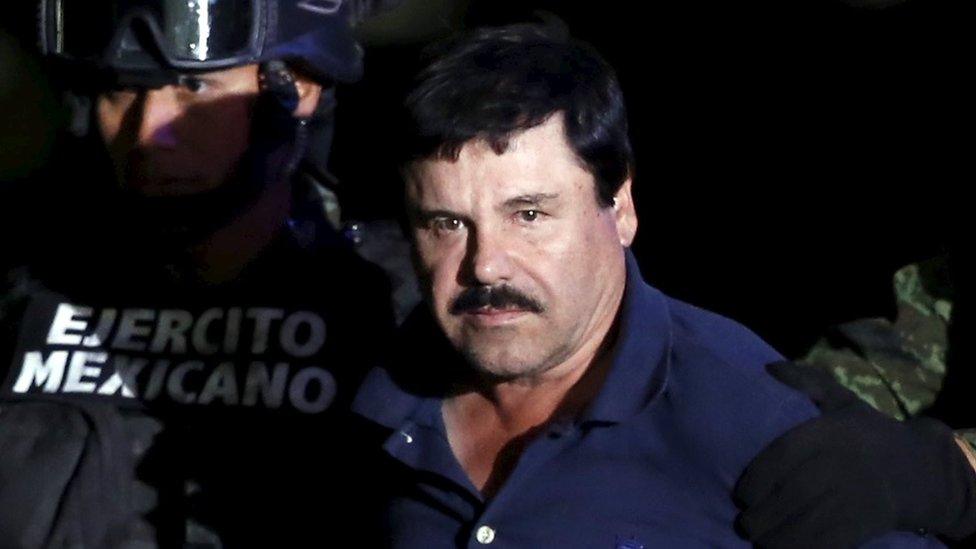
Few criminals have captured global attention like Joaquín “El Chapo” Guzmán. Unlike the flamboyant kingpins of the past, El Chapo operated largely in the shadows building a drug trafficking empire so vast and adaptable that it survived arrests, internal wars, and the full pressure of international law enforcement.
As the longtime leader of Mexico’s Sinaloa Cartel, El Chapo oversaw one of the most sophisticated and enduring criminal organizations in modern history, supplying drugs to dozens of countries and generating billions of dollars in profit.
Born in 1957 in the rural mountains of Sinaloa, Mexico, Guzmán grew up in extreme poverty. With limited education and opportunity, he entered the drug trade at a young age, initially working for established traffickers. His reputation for discipline, secrecy, and strategic thinking quickly set him apart.
By the 1990s, El Chapo had risen through the ranks, eventually taking control of the Sinaloa Cartel. Rather than relying solely on brute force, he emphasized logistics, alliances, and innovation turning trafficking into a highly organized global operation.

Under El Chapo’s leadership, the Sinaloa Cartel perfected drug transportation on an industrial scale. Cocaine, heroin, methamphetamine, and marijuana were moved through hidden tunnels, cargo ships, aircraft, submarines, and commercial supply chains.
Perhaps most famously, the cartel constructed elaborate cross-border tunnels some equipped with lighting, ventilation, and rail systems allowing massive quantities of drugs to pass undetected into the United States. This adaptability allowed the cartel to outlast rivals and expand even as others collapsed.
While El Chapo avoided the public spectacle associated with figures like Pablo Escobar, violence remained central to his power. Turf wars with rival cartels plunged large parts of Mexico into chaos, leaving tens of thousands dead.
Assassinations, kidnappings, and intimidation were used strategically rather than indiscriminately, reinforcing the cartel’s dominance while limiting unnecessary attention at least initially.
El Chapo became infamous for escaping prison twice. In 2001, he slipped out of a Mexican prison hidden in a laundry cart. In 2015, he escaped again through a mile-long tunnel dug beneath his cell, complete with a motorcycle on rails.
These escapes embarrassed Mexican authorities and elevated Guzmán’s legend worldwide. However, they also intensified international efforts to capture him.
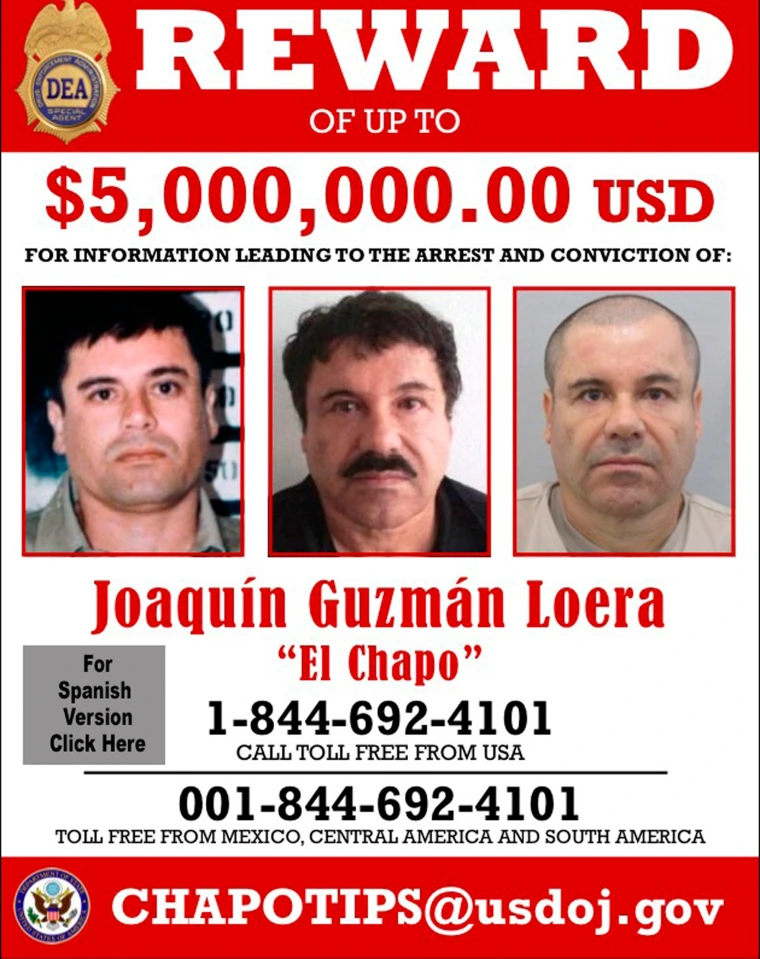
In 2016, El Chapo was recaptured and later extradited to the United States. In 2019, he was convicted on multiple charges and sentenced to life imprisonment without parole, bringing his reign to an end.
El Chapo’s legacy is not defined by spectacle, but by scale and endurance. His cartel proved that modern drug trafficking could function like a multinational corporation resilient, decentralized, and adaptive.
Though Guzmán is behind bars, the Sinaloa Cartel continues to operate, a testament to how deeply embedded his system became. His story underscores a sobering reality: removing a kingpin does not necessarily dismantle the empire they built.
Did you know?
The Sinaloa Cartel’s tunnels were so advanced that some included electricity, ventilation systems, and rail tracks designed to move large quantities of drugs quickly and quietly beneath the U.S.–Mexico border. In Mexico they now refer to it as tunnel engineering.
Next week : Part 3 of 7 — Griselda Blanco: The Godmother of Cocaine
Reports are sourced from official documents, law-enforcement updates, and credible investigations.
Discover additional reports, market trends, crime analysis and Harm Reduction articles on DarkDotWeb to stay informed about the latest dark web operations.