







Written interview exploring how dark web marketplace administrators view security, trust, and constant law enforcement pressure.

Discussions about dark web markets often collapse into extremes: glamorization or demonization. Reality is quieter, messier, and far more technical.
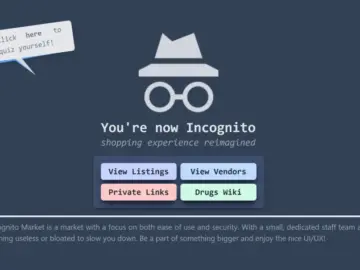
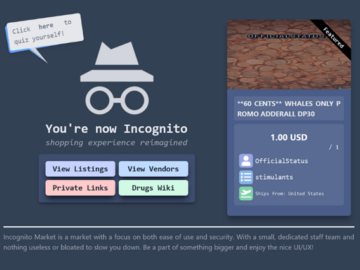
This interview documents the perspective of BlackOps market administrator with a focus on operational security, threat modeling, internal failures, and the human cost of sustained anonymity.
Background & Motivation
What initially motivated you to move from being a user to running a market, and how did you see yourself in that role? At the beginning, what problem were you trying to solve, and when did the project shift from something experimental to something serious?
- We understand the risks involved, it’s part of doing business. We’re driven by two key objectives: First, we wanted to build something unique and high-quality, a visually pleasing designed platform that goes beyond just basic functionality. We wanted to create a solution that stands out, not just a thrown-together product. Second, like any entrepreneur, we’re in this for profit. There’s no point in pretending otherwise. That said, our focus remains on delivering the best DNM solution possible. From the design of the market to its functionality, we’ve built a platform that reflects this commitment.
Power, Control & Responsibility
From your perspective, how much authority does a market administrator truly have, and what responsibilities come with that role? How did you approach disputes, ethical boundaries, and deciding what was acceptable on the platform?
- We take our responsibility to our users seriously, especially in light of recent takedowns and exits. Disputes are handled on a case-by-case basis, weighing both ethical considerations and financial implications. Ultimately, the decision always involves a human element. It’s critical to allow users the freedom to voice their concerns and engage in open discussions. Without this transparency, users may lose confidence, fearing they won’t receive the support they need when issues arise.
While we do have control over user accounts, we recognize the weight of that responsibility. It’s why you won’t find posts on platforms like Dread accusing us of mishandling disputes.
OPSEC Reality vs Myth
From your experience, what are the biggest misconceptions people have about OPSEC, and what actually leads to most compromises ; technical flaws or human mistakes? How do small errors compound over time, and are administrators usually aware when they’ve been compromised?
- Most failures come down to human error. Because of that, it’s essential to have a clear system and follow it methodically. I can’t share additional OpSec details due to safety concerns for both our team and our users.
Trust, Scams & Reputation Systems
In your experience, how fragile is trust within a darknet market ecosystem, and how resilient are reputation and escrow systems against manipulation? What typically leads to market collapse, scammers, administrators, or mounting pressure? And is exit scamming usually premeditated or reactive?
- Trust in darknet markets is fragile and largely performative; reputation systems are manipulated often enough to distort risk perception but rarely enough to fully destabilize it. Sometimes users over-trust escrow and support signals, especially once a vendor appears “established.” However our team handles this differently and we have a set of rules that each team-member has to work with. Again, this is why you do not see mass reports of support issues on our market. Or any reports at all.
Some markets tend to fail less from individual scammers than from administrator failure,whether incompetence, compromise, or incentive misalignment. Not us. Exit scams are usually not planned from day one, but they are predictable outcomes once operational pressure, paranoia, or financial asymmetry crosses a threshold where continued operation no longer outweighs the payoff of disappearance. This happens when teams are not aligned, ours is.
Law Enforcement Pressure
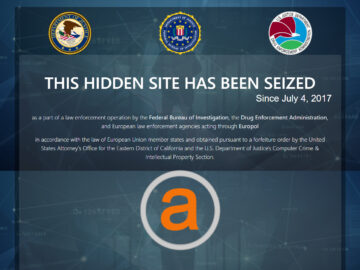
At what point did law enforcement become a constant factor in your decision-making, and what forms of pressure were most dangerous in your experience? Visible takedowns, silence, infiltration, or technical attacks? Looking back, were there warning signs that the end was approaching?
- Law enforcement becomes a constant presence once continuity, not novelty, is the goal; visible takedowns are less dangerous than silence, which creates false confidence and misreads the threat surface. Infiltration is generally more effective than technical attacks because it exploits trust, patience, and routine rather than code. Paranoia often exceeds the actual threat and can degrade decision-making faster than any external pressure.
We understand Law Enforcement also have a job to do, you can’t stop that. All we can do is everything to try and protect our users
This is just how the world works.
Psychological & Human Cost
What is the psychological toll of running a market at that scale, and how does it affect sleep, relationships, and daily perception of time? Did the role ever become isolating or consuming to the point where stepping away felt difficult?
- We operate continuously. Interpret that as you see fit.
=====================================================================
Market Failure & Collapse
In your view, why do most markets ultimately fail, and does success itself become a liability over time? What late-stage mistakes do administrators tend to make, and how much of collapse is driven by internal dynamics versus external pressure? If there is one unavoidable failure point, what is it?
- Most markets fail because scale amplifies every weakness: visibility increases pressure, complexity removes control, and incentives drift out of alignment.
In this space, success is a liability because it attracts users faster than trust and infrastructure can safely absorb. Admins who survive early chaos often fail later by centralizing power, relaxing discipline, or believing past success confers future immunity. Collapse is usually a mix of internal problems and external pressure, but internal breakdown, burnout, greed or paranoia tends to make the external pressure decisive.
If there is one unavoidable failure point, it is time: prolonged operation inevitably results in failure. This is a universal truth.
You have to have a fair and solid exit plan, fair for everyone involved. This does not mean an exit scam.
Ethics & Harm Reduction
In your view, do darknet markets ultimately reduce harm, increase it, or simply redistribute it? How honest are users about the risks they take, what would genuine harm reduction look like in this ecosystem, and are there limits to what even a well-run market can fix? What do outsiders most misunderstand about darknet users?
- We view DNMs as facilitators of behavior that would exist with or without them. Where we add value is in harm reduction, encouraging safer practices around an inevitable reality rather than pretending it can be eliminated. A market cannot control individual choices or outcomes; it can only provide structure, information, and guardrails. Responsibility ultimately rests with the user, and no system can correct decisions people choose to make themselves.
Meta / Reflection Questions
Looking at the broader ecosystem, are darknet markets becoming harder or easier to run over time? Despite better tools and infrastructure, do the same human mistakes continue to cause failure? Do you see markets as inevitable, and what lessons from this world apply to legal platforms and power structures? Finally, how would you want your role in this space to be remembered?
- Harder, because expectations rise alongside market growth, and they should. As standards increase, tolerance for failure drops, and quality is no longer optional but assumed.
Retrospective & Warnings
Looking back, what was your biggest mistake, and what do you wish users understood before ever engaging with a market? For someone considering running one, what would you caution them against and ultimately, was it worth it? What part of this world is most often misunderstood or inaccurately portrayed?
- /d/Opsec
- /d/DarknetMarketsNoobs
BlackOps PGP key and verified mirrors can be found here below.
BlackOps PGP Signed Mirrors
-----BEGIN PGP SIGNED MESSAGE----- Hash: SHA256 http://blackops3zlgfuq4dg4yrtxoe57u3sxfa34kqzbooqbovutleqhf3zqd.onion http://blackops4zfjqugajzrwokor34sv4sm5sf6pnegaevhgd7k7yt3rkbid.onion http://blackops527cggb6ybayggx3bjt24xz32rotdugs6ikejxdiik6dyiid.onion http://blackops66p7edjocooiipudvefdhupk27pi4y72iwnbbjvccky646yd.onion -----BEGIN PGP SIGNATURE----- iQIzBAEBCAAdFiEELkKk9bUuMUbWf/tAoSU3z2yqqNEFAmlqPkgACgkQoSU3z2yq qNEIfBAAmVyzd6iBwz70Z2WdxuaMlXDiWe8sPkZMWuuKOmveGAJOt3nnyeXdf/ar 8n7q4GwGorN84dvzOJhy4q848n3MSa2hubhWw/aOZoClHcmNVulTmFTPNImo7iAx bxTARApEYZK2XHdGZIWfG/aOgkCn4/GLi71My/JHP+72sdoYBdLwf/tMJ4F6wy4e ASfNqh8In4tu4L5DiKl7r67wVNozPsjKfqxMn4rOKpNN+QaGINhU3tRrq44JAlkD JLDWsTsh9eemt7L10Gy+jNeDA92HJ7hA5qb52Fu9N2WCcw8gUFRNhrOkPmHox7Hs y65hf3q3Tbt09hjGNJzvuIjN55oIAdls5tjdots6QoO4clYdpB+Bmo559NBP3Ykx dX4Put03bXIT3LK6nM7Dk2HYHkmtweR+XY1AmJDTonApCpoai8p+JWzzmv4lILpq X4JRWDS4Ryuwv3RdTvlULANeCnamgtpjN9uU/s29jKFFlXzrSG0HqmGTUyg+lVAJ +ozNMQczV3WsXyd7nqHyZRJBAtHoxcsVMm5io7g0m14A+5AFqbZgTHku35ceV4oi kBZQ38QMdeRlkf6229l/iXtgxH3oVVGdOt1aYQ+4E782CaId6S0iN7He1yIf6o3o OEcVwAe05KB17Hr9oZnToyEavuMSBRTAzYsc05siEWa/r9UJhRc= =jsjK -----END PGP SIGNATURE----- |
|
BlackOps PGP Key
-----BEGIN PGP PUBLIC KEY BLOCK----- mQINBGbYBnUBEACx1KwI0EPlR5+Eou4F/V1rmvd2aURBtY7H7HCttuNav7mgUpW7 UVeYYHs1yKy9VGHg5gM+hIcIFaP7z2g4Gvvz3en2br3TCfHik+6mfTS/jBgA5VdU 8gUTXJT3Ds9SAAFL6IaFTaFmmS76AZhzHgcWXkqTVfKqgUAKZgjmgfUONg2ExLT+ X9+JPOPirWy2DDWzqsX2qR2lxBaAaven9g0fT7a3VdSHKkbodjQbVaiGKcQuDLbX t9Qd8hoCNaJcwPUGAGRNgb67wED+nRes6G4Vf9fqVBMjBzHZ0ez/IqSfRS+BTBzA NEsX5XxVcFUKU7bNA+xH4cxzJbk5rtSOGFUZAnLdLfnE5p4As4o2Tb44bwav+Wvj zenVehTrPFsf38NKXs8aBndoWbGcF+95Z+/j1eSkCqrZUiwm7A2VLu0feBGVZzr/ dIoo3+NcRhF+SqSrYmE1atxUOKP1zruf43KcXiAL1CmSkKMZkh1/+1blMpQ0f41x MOfb4kzE2KdqX/OyOhqUL37/bA84vOij7FU4m7Ewr5oZBI9tgZUIrs2trMG/CwDx y/Hnp9lg1hiusZNHW04Vfl3i8WowZPYx6Mopdhxobu+x10d1/maosyh5E65bN9ss F6s+XvVbsVemCrksemSCXz29q+gjRENSp1duMnqJmmCN1AAOJlHn6al2GQARAQAB tBxCbGFjayBPcHMgPGJsYWNrQG9wcy5tYXJrZXQ+iQJOBBMBCgA4FiEELkKk9bUu MUbWf/tAoSU3z2yqqNEFAmbYBnUCGwMFCwkIBwMFFQoJCAsFFgIDAQACHgECF4AA CgkQoSU3z2yqqNGU9Q/9HU5aAeXJ0LycDnTvUf2NEJm/V7cqlMSo3G42IAN3ySSR QG1KIWHVjN12Mp8fpXbabmnsXU1tAKWuo+EvEuko5KDDCsOE1lRHMbRwBU1Y3D// RE36XFe1jsHBOHuTVCYp/AKWU9SvxsjBi1JEX72X0BR5bpI4gLpNl6/hHJmiTg1w pco/93nrX3252Tz6rfhIBflLU++Dq+UcQ4z932qk0/T/EEahkU9qlcxB/89NXrd6 Q0aew35jpf3RrejgLlLvDsv1thuWI4ZCOvkeA6EtMwwqEAl3197u2cIFMGDyBAeJ efi6uo5KBnxuv4PBq9bCoCaUWsB7HzYBSHl4Bn0jhMdpvR45iWv/UltEnHVdrWfz h+j8etpytx+dzS1LuW3hOdsp/aUCQ3dYVdTce13TLgpNJbEsfbT0+t6UWL/ObSE9 KJcUbwz5k8CL9Tc+GFePgRJlUQCevkmDL2jiaoi78bTfMlkOsdAsFp0IauScuYcD fv1aoCcYeUe05Pvnce5eeLr3t87YA0iLeS5XqdseRS7sUzk+pXo5ty3gDBYU9HTn Rt1Z0N4J8rZWJII9VPGIkfb2IDlpzSET51XTSC/HqPFKEw8vql8aIyYUJImVlzXu OqdpZke0cFhTBPL/N5csfbU66i/gOwI2+8h4MZ7Mf3bu95LZ3H9vNWJt89XPyb+5 Ag0EZtgGdQEQAOS0kn38gN9qzAA+KCZ2uvXCrUBritKQ+LebV96UGSpWWzyqPb1/ XFfeFcYi05MP/ccLwk+JmAHBZWPVVVj5qU574slmfNnS9CGb4pXDDekcib1JwkYG 9jYbY+4pxbjCHIzCb6D3bfom+dCztuN30dj09ythpyS+/QdZItRvLer3RwkBnpUG AqyPpVtm0vcf4KPcfzV3q350zMrdoK4ykNCClDnNF4uqZSkrHVPUDATZW5wRab0M rt7W3M9dGKb8kAXtYj3gA9IN0e1nwBXPQOYLdVsRkM4P50l8M66aP3warvzc9Gf7 /sbPXTpqxSOZ9e6zgmhyMQOBEB4IA7lzG5SO/nD7AYPK6hrVbYAmnLWN+SLr7Dqm 2B7n+XnrC0iUsgIct2Wh7UxG+p79y1puMc4A5rOtWeB5Q1BsPPE6U1JLtpEZxlf6 KMpxzB3ERJMi9VPX1EbB5n4PLugaZ46jHBLQfxIu35WsPlPW/mOhqT9smJOqeuer xOBxylpxgfrF3Iza2PUlY9VbUYpOXHrMt+WJMjkoyg0GDvp58lD0bHsgQeHS/TxH EQudKG8pS4/eNAG6bvL6GAVXq3ZsKmH2z6gocbJ1Wg49np6QDQEKNl5QJn6il8qb l3ww9jEhhJWXiVSUa+OMzJ+CB+udpC/qT3ICjRsKvIapEsTOGRdkHrDlABEBAAGJ AjYEGAEKACAWIQQuQqT1tS4xRtZ/+0ChJTfPbKqo0QUCZtgGdQIbDAAKCRChJTfP bKqo0VH5D/9/MENWFbVMZoKNHrGJTBfvgGg1KwOdL9IQBNlAYC4RHw7BWzQRnzBS lRUUf2Xe9Lxy38xhCS1KhKRx5YA13SNfMCkHcym/CG1K/y0WAMHYUu7rCJ23ITsM x+NLP5YWcgb/+2cxHhATWuohkwan7mBaeojMzjz5pYYUJNtNh8vg6KqKNxXhCd8b RllJZuwdhcz7wUJnBe7p6IaghpwV86K9PZ+A0EQQ7nnX6DQNUQadrWmW2UkgSq68 441qWVYoAD6AcycTKo3RN+LBBlHm3gMvJDI5uyXOZ5Q8aT5xjL9ESdlgNwY+TeUI o/cVHCKOqbDvSIOWbSZX/+LJeeYqJTHkzWgAyuUoPI6ELL38K964SIMzIHP6/sVf TfjwKkv7LXCSthv5rFJLiUZiVlK9I2HMJHYZplXGBOWupqmwomfWZ+ItnDFOX2XC 4PwnpF8do/zvpoBsLPfqaRchkLKjFX6pS6eQuhPn0rc2LTVLN3qokXrDK8lgZhjH eDW6gQ65DgKN+er5lxN6cC2JiuClQtXWdcCs16K2WY0XBTs0QQc0OtdaneVUU+sc xEKeyCnTS7aMvazxRU4pA/uPs9XYfDkSpJs2fdy8A7p79itRh3l7C0KULQDz4Lkh 2hS0P82MRbSEqL6SzO2PP3Duj7nyJaG8Px8fkLkUzOx7uDInJIatUg== =rpuz -----END PGP PUBLIC KEY BLOCK----- |
Discover additional reports, market trends, crime analysis and Harm Reduction articles on DarkDotWeb to stay informed about the latest dark web operations.