







Part 3 of 7 — A Weekly Sunday Exclusive Series
An in-depth look at the most powerful drug lords in history, how they built their empires, and the lasting damage they left behind.
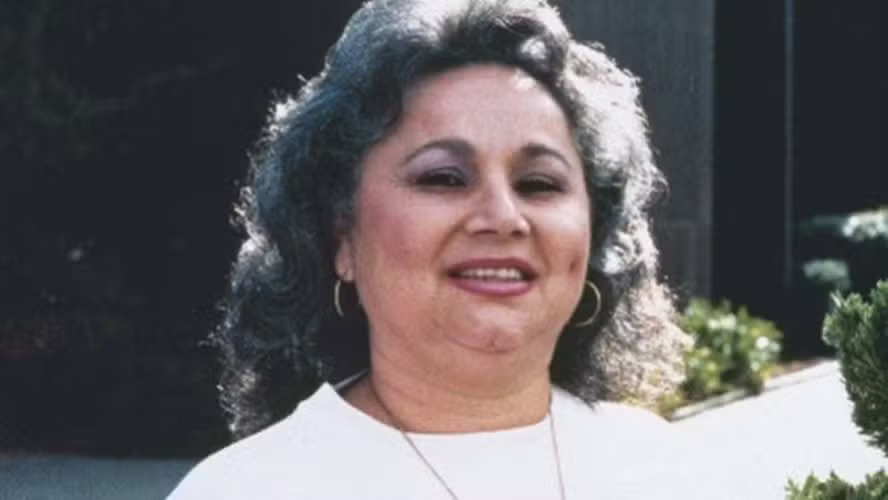
Before Miami became synonymous with the cocaine boom of the 1980s, one figure was already shaping the structure of the trade behind the scenes: Griselda Blanco. Known as the “Godmother of Cocaine,” Blanco was one of the earliest and most influential architects of large-scale cocaine trafficking between Colombia and the United States.
Operating during the 1970s and early 1980s, Blanco helped establish smuggling corridors that would later be used and expanded by far larger cartels. At a time when the cocaine market was still developing, she recognized its explosive potential.
Born in 1943 in Cartagena, Colombia, Blanco grew up in poverty and was exposed to criminal activity at a young age. As a teenager and young adult, she became involved in smuggling and other illicit operations.
By the early 1970s, Blanco had moved to the United States, where she began organizing cocaine shipments from Colombia into major distribution hubs, particularly New York and later Miami. Her operations were methodical and structured, built around trusted associates and tightly controlled networks.
Blanco was among the first traffickers to professionalize cocaine distribution routes into the U.S. She developed concealment methods, distribution cells, and transportation strategies that would later become industry standards.
Miami, in particular, became a focal point of her activity. During what would later be called the “Cocaine Cowboys” era, the city saw rapid growth in both wealth and violence tied to narcotics trafficking. Blanco’s organization played a significant role in shaping that period.
Unlike some later cartel leaders who preferred distance from daily operations, Blanco was known for direct oversight. She maintained strict control over her network and demanded loyalty from associates.
Her reputation for decisiveness contributed to her dominance during the early expansion of the cocaine trade. Though later eclipsed by larger organizations such as the Medellín and Cali cartels, Blanco’s early groundwork helped define how cocaine would move into the United States for decades.
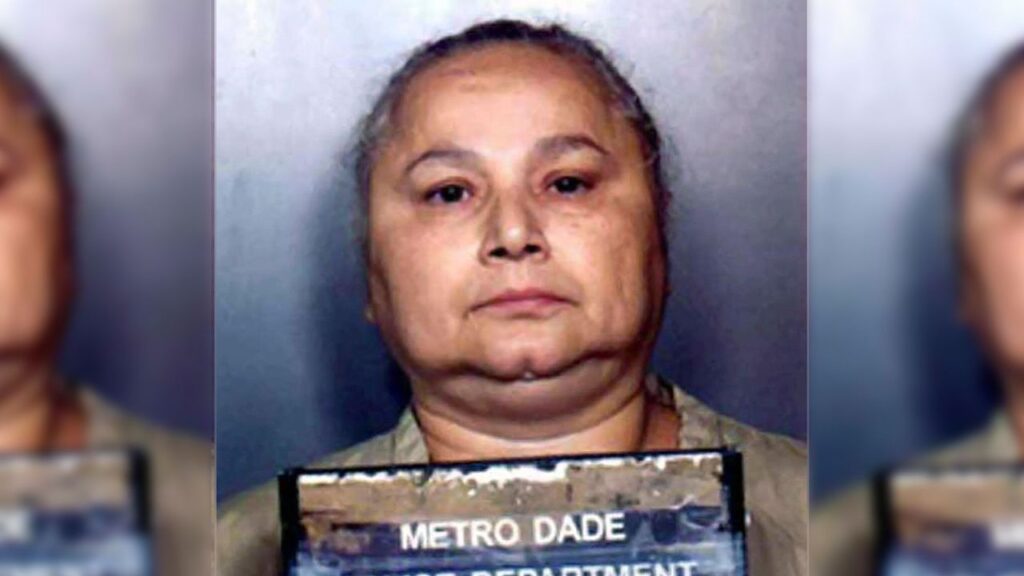
In 1985, Blanco was arrested in the United States and later convicted on federal drug trafficking charges. She spent nearly two decades in prison before being deported to Colombia in 2004.
After returning to Colombia, she lived relatively quietly compared to her earlier years. In 2012, she was shot and killed in Medellín, marking the end of a controversial and influential chapter in the history of the cocaine trade.
Griselda Blanco’s legacy lies not just in her notoriety, but in the structure she helped establish. She was one of the first traffickers to demonstrate that cocaine smuggling could be organized at scale across international borders.
Her career reflects a pivotal moment in the globalization of narcotics trafficking when smaller operations evolved into the powerful transnational networks that would dominate the following decades.
Did you know… early concealment tactics?
Griselda Blanco is widely credited with developing innovative smuggling methods, including custom-designed lingerie with hidden compartments used to transport cocaine across borders.
Next week… Part 4 of 7 — Amado Carrillo Fuentes: The Lord of the Skies
Reports are sourced from official documents, law-enforcement updates, and credible investigations.
Discover additional reports, market trends, crime analysis and Harm Reduction articles on DarkDotWeb to stay informed about the latest dark web operations.