







The closure of DeepSea darknet market explained: how international law enforcement shut it down, arrested alleged admins, and seized illicit proceeds.
In one of the most coordinated global efforts against online criminal networks, international law enforcement agencies successfully dismantled DeepSea, a darknet marketplace that facilitated anonymous trade in illicit goods and contributed to the broader ecosystem of hidden internet markets.
What Was DeepSea?
DeepSea was an illegal marketplace hosted on the Tor network, where users could anonymously buy and sell illicit products such as narcotics and other contraband using cryptocurrencies. Like other darknet markets, it relied on encrypted, privacy-focused infrastructure to evade detection but its disappearance in 2021 ultimately turned out to be the result of law enforcement action.
Although DeepSea never reached the notoriety of giants like DarkMarket or AlphaBay, it was a significant venue for illegal transactions. Italian authorities identified it alongside Berlusconi Market as part of an international focus on darknet crime, estimating that together these marketplaces listed tens of thousands of illegal product advertisements before being shut down.
How It Was Taken Down
The investigation that led to the shutdown of DeepSea was part of Operation Dark HunTor, a multinational law enforcement operation targeting opioid trafficking and other illicit activity across darknet markets. The operation involved agencies from multiple countries including the United States Joint Criminal Opioid and Darknet Enforcement (JCODE) team, Europol, Eurojust, and domestic law enforcement units in Europe and the U.S.
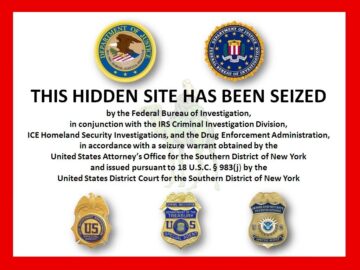
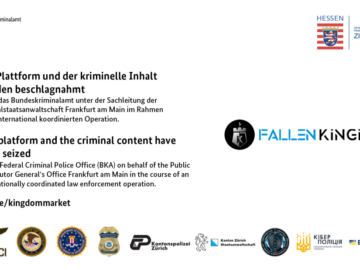
Following the seizure of DarkMarket earlier in 2021 at the time the largest darknet marketplace, investigators used the evidence obtained to identify related networks, vendors, and administrators tied to other illegal sites. In this context, Italian authorities executed actions that resulted in the closure of DeepSea as well as Berlusconi Market, and the arrest of four alleged administrators associated with their operations.
As part of these complementary actions, officials also seized approximately €3.6 million in cryptocurrencies, likely proceeds from illicit trade across both marketplaces.
Operation Dark HunTor: A Coordinated Strike
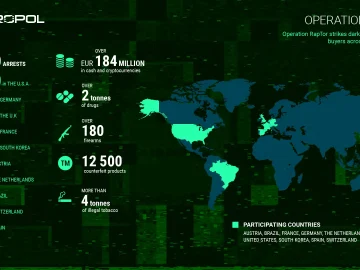
DeepSea’s shutdown did not occur in isolation. Operation Dark HunTor spanned over ten months and included a series of coordinated actions across Australia, Europe, and the United States. In total, the operation led to:
- Around 150 arrests of individuals alleged to be involved in darknet drug trafficking and other illegal trade.
- More than $31.6 million in cash and cryptocurrency seized.
- Over 230 kg of drugs confiscated worldwide, including amphetamines, opioids, cocaine, MDMA, and tens of thousands of controlled-substance pills.
- 45 firearms taken off the streets.
Law enforcement agencies also used the intelligence gained through Operation Dark HunTor to identify darknet vendors and buyers, linking online identities to real individuals. This undermined not only DeepSea and Berlusconi, but also other illicit markets that had previously evaded detection.
What the Takedown Means
The seizure of DeepSea and other darknet marketplaces demonstrates the increasing capability of international law enforcement to penetrate and disrupt criminal networks that use sophisticated anonymity tools. Even though darknet markets evolve quickly and new sites often emerge in the wake of takedowns, such coordinated operations increase the operational risks for criminal actors and provide valuable forensic insights for future investigations.
While the darknet remains a dynamic space with both legal and illegal applications, markets like DeepSea show how anonymity sought for illicit purposes is no longer a guaranteed shield against detection. The combined pressure of intelligence sharing, cryptocurrency tracing, and cross-border cooperation has significantly raised the stakes for platform administrators and vendors engaging in illegal trade.
Reports are sourced from official documents, law-enforcement updates, and credible investigations.
Discover additional reports, market trends, crime analysis and Harm Reduction articles on DarkDotWeb to stay informed about the latest dark web operations.