







Part 4 of 7 — A Weekly Sunday Exclusive Series
Amado Carrillo Fuentes, the “Lord of the Skies,” built a jet-powered cartel empire before his mysterious death reshaped Mexico.
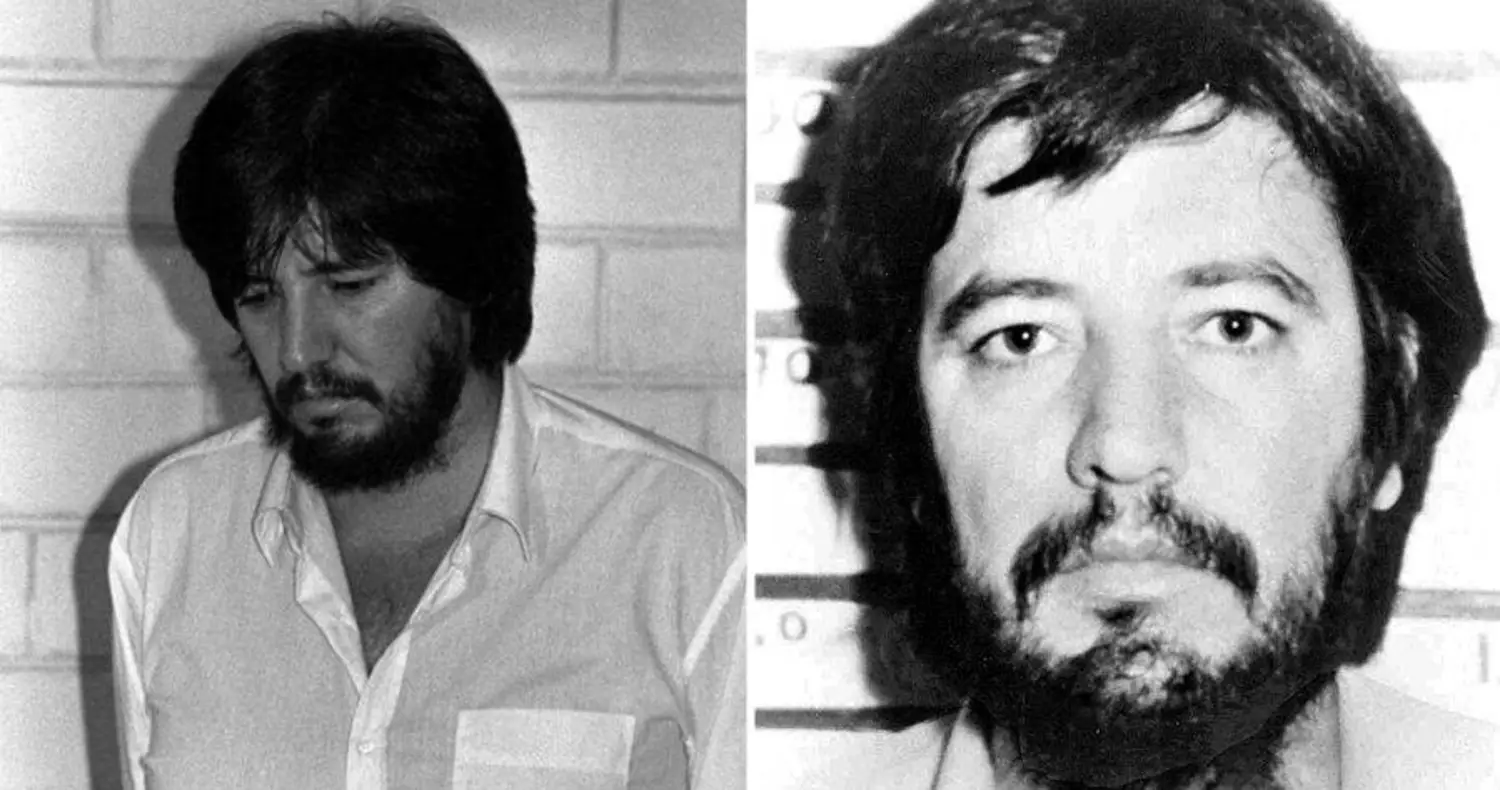
The Lord of the Skies
If Pablo Escobar symbolized the explosive rise of cocaine trafficking in the 1980s, Amado Carrillo Fuentes represented its transformation into a highly organized, industrial-scale operation. Known as “The Lord of the Skies,” Carrillo Fuentes earned his nickname by assembling a fleet of aircraft that moved massive quantities of cocaine across international borders with unprecedented efficiency.
During the 1990s, he became one of the most powerful figures in the Mexican drug trade, overseeing the Juárez Cartel at a time when it controlled key smuggling corridors into the United States.
Born in 1956 in Sinaloa, Mexico, Carrillo Fuentes grew up in a region deeply connected to narcotics cultivation and trafficking. He entered the drug trade through family connections and gradually rose through the ranks during an era when Colombian cartels relied heavily on Mexican partners to move cocaine north.
Following the death of Rafael Aguilar Guajardo, Carrillo Fuentes assumed leadership of the Juárez Cartel in the early 1990s. Under his direction, the organization expanded rapidly and strengthened its logistical capabilities.
What distinguished Carrillo Fuentes from many of his contemporaries was his investment in aviation. Instead of relying solely on ground routes, he purchased multiple Boeing 727 aircraft and other cargo planes to transport multi-ton shipments of cocaine from Colombia into Mexico.
This large-scale air network dramatically increased efficiency and profit margins. The strategy reflected a shift in the global drug trade: trafficking was no longer fragmented and opportunistic it was increasingly coordinated, capital-intensive, and structured like a business enterprise.
At its height, Carrillo Fuentes’ organization was believed to be moving tens of tons of cocaine annually.
By the mid-1990s, Carrillo Fuentes was considered one of the wealthiest traffickers in the world. His cartel maintained influence across major border cities, particularly Ciudad Juárez, a critical gateway for narcotics entering the United States.
Unlike some figures who courted public visibility, Carrillo Fuentes kept a relatively low profile. His power stemmed less from spectacle and more from infrastructure, alliances, and operational scale.
As pressure from Mexican and U.S. authorities intensified, Carrillo Fuentes sought to alter his appearance to evade capture. In 1997, he underwent plastic surgery in Mexico City.
He died during the procedure under circumstances that remain the subject of speculation. His sudden death created a power vacuum within the Juárez Cartel and marked a turning point in Mexico’s evolving cartel landscape.
Amado Carrillo Fuentes is remembered not for flamboyance, but for logistics. His aviation-based trafficking model demonstrated how organized crime could leverage corporate-style expansion and international coordination.
His era marked the transition from the dominance of Colombian cartels to the growing power of Mexican organizations a shift that would shape the drug trade for decades to come.
Did you know… the aviation strategy?
Carrillo Fuentes reportedly operated a fleet of large cargo jets, including Boeing 727s, to move cocaine shipments earning him the nickname “The Lord of the Skies.”
Next week… Part 5 of 7 — Khun Sa: The King of the Golden Triangle
Reports are sourced from official documents, law-enforcement updates, and credible investigations.
Discover additional reports, market trends, crime analysis and Harm Reduction articles on DarkDotWeb to stay informed about the latest dark web operations.