







Part 7 of 7 – A Weekly Sunday Exclusive Series
Frank Lucas built a powerful heroin empire in Harlem, bypassing traditional crime networks and reshaping America’s drug trade in the 1970s.
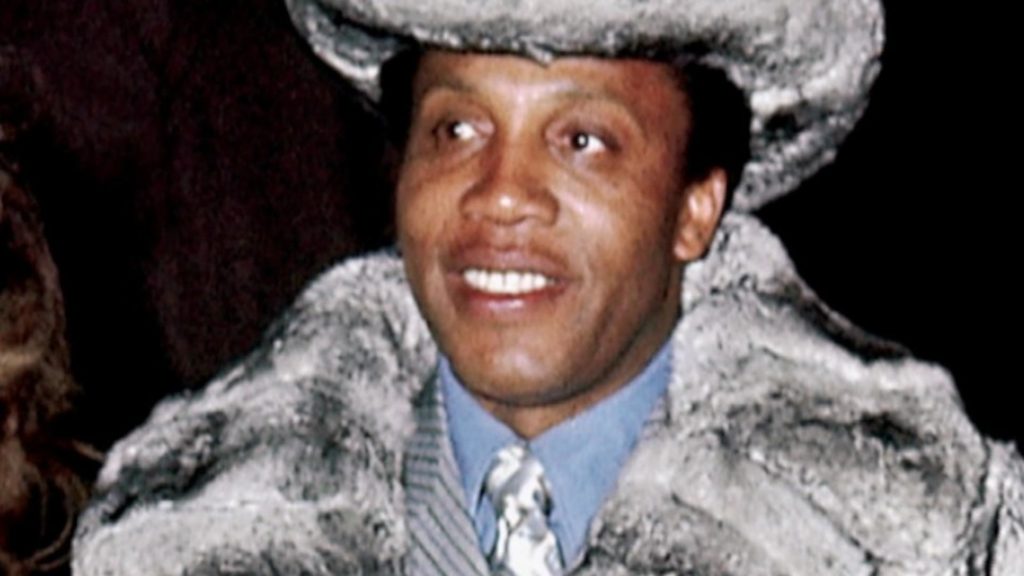
Frank Lucas – The American Gangster
Unlike many of the international traffickers featured in this series, Frank Lucas built his empire inside the United States. Operating primarily in Harlem during the late 1960s and early 1970s, Lucas became one of the most prominent figures in New York City’s heroin trade at a time when urban drug markets were undergoing rapid change.
His rise reflected a shift in the American narcotics landscape from Mafia-dominated distribution networks to more independent operators seeking direct control over supply chains.
Born in 1930 in La Grange, North Carolina, Lucas grew up in the segregated American South before moving to Harlem as a young man. There, he became associated with organized crime figures and gradually established himself within the city’s underground economy.
After the death of mentor Ellsworth “Bumpy” Johnson, Lucas sought to build his own network rather than remain under traditional crime syndicates.
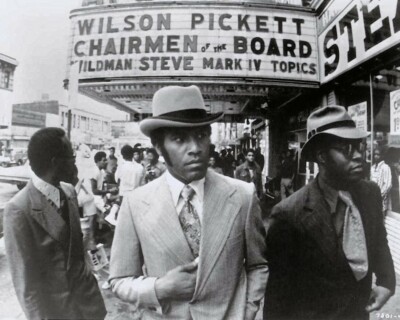
What distinguished Lucas from many of his contemporaries was his decision to bypass established Mafia intermediaries. Rather than purchasing heroin through New York’s organized crime families, he claimed to have sourced it directly from suppliers in Southeast Asia.
By reducing middlemen, Lucas was able to control pricing and maximize profits. His brand of heroin, reportedly marketed under the name “Blue Magic,” became widely known in Harlem for its purity and consistent quality.
While some aspects of his sourcing methods have been debated over the years, his approach represented a significant departure from the established distribution hierarchy of the time.
At its height, Lucas’ organization operated across multiple cities in the United States. He invested profits in real estate, businesses, and luxury goods, maintaining a relatively low profile compared to more flamboyant criminal figures.
However, the scale of the operation eventually attracted federal attention. Investigators began unraveling his network in the early 1970s, documenting widespread distribution throughout urban markets.
In 1975, Lucas was arrested on federal drug charges. Facing a lengthy prison sentence, he later cooperated with authorities, providing information that led to numerous convictions.
His cooperation reduced his sentence, though he would face additional legal troubles in later years. Lucas spent significant time incarcerated before being released.
Frank Lucas’ story later entered popular culture, most notably through the 2007 film American Gangster. The film reignited public interest in his life, though some elements were dramatized for cinematic effect.
His legacy reflects both the scale of urban heroin markets during that era and the broader transformation of American organized crime structures in the 1970s.
Frank Lucas represents a domestic chapter in the global narcotics trade. His operations illustrated how international supply lines connected directly to American neighborhoods, reshaping drug distribution models within major cities.
As with others in this series, his story highlights not just personal ambition, but the structural conditions that allowed illicit markets to flourish.
Did you know… “Blue Magic”?
Lucas’ heroin was reportedly sold under the brand name “Blue Magic,” which he claimed stood out for its unusually high purity in Harlem during the early 1970s.
Reports are sourced from official documents, law-enforcement updates, and credible investigations.
Discover additional reports, market trends, crime analysis and Harm Reduction articles on DarkDotWeb to stay informed about the latest dark web operations.