








Learn how withdrawal affects the body, common symptoms, substance-specific risks, and when medical care is essential in this evidence-based harm reduction guide.
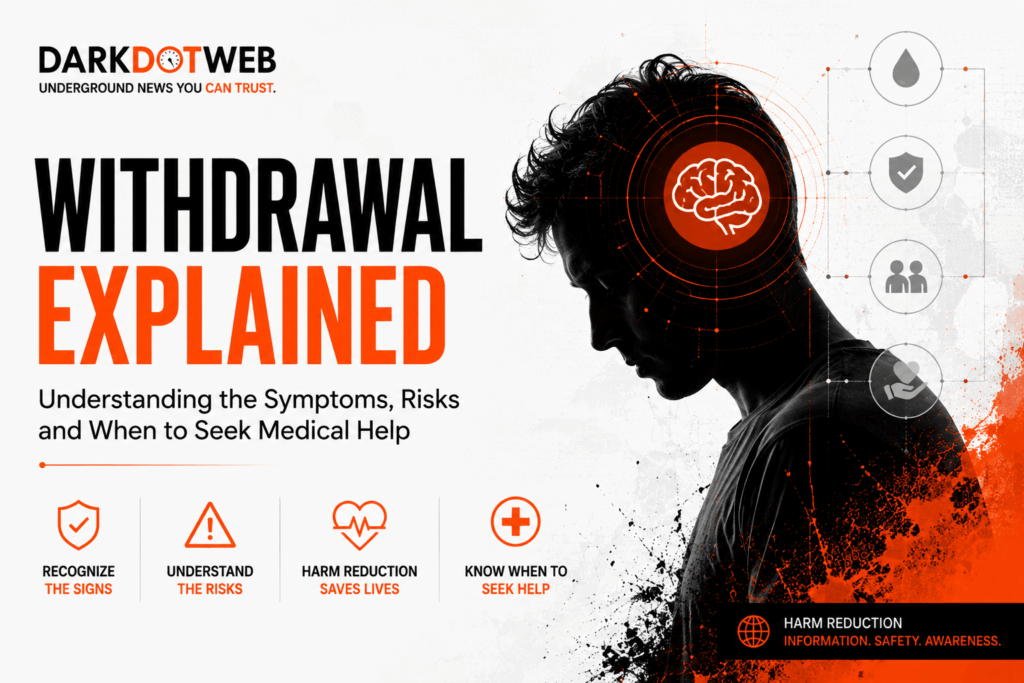
Withdrawal is a natural response that can occur when someone significantly reduces or stops using a substance after repeated or prolonged use. It reflects the body’s attempt to regain balance after adapting to the presence of a drug or alcohol.
For some people, withdrawal may involve mild discomfort that resolves within a few days. For others, it can become a serious medical condition requiring immediate treatment. The severity depends on many factors, including the substance involved, the duration of use, the amount consumed, overall health, and whether multiple substances were used.
Understanding withdrawal is an important part of harm reduction because recognizing warning signs early can help prevent serious complications and improve outcomes.
What is Withdrawal?
Many substances alter communication between nerve cells in the brain.
When a substance is used repeatedly, the brain gradually adapts to its presence. This process, sometimes called neuroadaptation, allows the body to continue functioning despite the drug’s effects.
If the substance is suddenly reduced or stopped, those adaptations remain temporarily. Until the brain adjusts again, withdrawal symptoms may develop.
Withdrawal is therefore not simply the drug leaving the body. It is the body’s response to the absence of a substance it has adapted to.
Why Withdrawal Differs Between Substances
Not all substances affect the same parts of the brain.
Some primarily influence mood and energy, while others directly affect breathing, blood pressure, or the nervous system.
This explains why withdrawal from one substance may mainly cause fatigue or anxiety, whereas withdrawal from another may result in seizures or dangerous changes in heart rate and blood pressure.
Medical professionals evaluate withdrawal based on:
- The specific substance involved
- Frequency and duration of use
- Dose or potency
- Whether several substances were used together
- Age
- Existing medical conditions
- Previous withdrawal history
Someone who has experienced severe withdrawal before may be at increased risk during future episodes.
Dependence Is Not the Same as Addiction
One of the most common misconceptions is that physical dependence automatically means addiction.
These terms describe different concepts.
Physical dependence means the body has adapted to a substance and withdrawal occurs when use stops.
Addiction, often referred to clinically as substance use disorder, involves compulsive use despite harmful consequences.
A person taking prescribed medication exactly as directed may develop physical dependence without meeting the criteria for addiction.
Understanding this distinction helps reduce stigma and encourages people to seek medical care when needed.
Common Withdrawal Symptoms
Symptoms vary widely but commonly include:
- Anxiety
- Irritability
- Restlessness
- Difficulty sleeping
- Sweating
- Tremors
- Muscle aches
- Nausea or vomiting
- Increased heart rate
- Headaches
- Fatigue
- Changes in appetite
Symptoms may begin within hours or several days after the last use, depending on the substance involved.
Withdrawal Is Not the Same for Every Substance
Alcohol
Alcohol withdrawal is one of the few withdrawal syndromes that can become life-threatening.
Symptoms often progress in stages.
Early symptoms may include:
- Tremors
- Sweating
- Anxiety
- Nausea
- Difficulty sleeping
More severe cases can progress to Delirium tremens, a medical emergency characterized by confusion, hallucinations, severe agitation, fever, and seizures.
Without prompt treatment, delirium tremens can be fatal.
Benzodiazepines
Benzodiazepines are commonly prescribed for anxiety, insomnia, and seizure disorders.
Withdrawal can involve:
- Severe anxiety
- Panic attacks
- Tremors
- Muscle spasms
- Hallucinations
- Seizures
Abrupt discontinuation after prolonged use can be dangerous. Medical supervision is generally recommended when reducing or stopping long-term benzodiazepine therapy.
Opioids
Opioid withdrawal is widely regarded as extremely uncomfortable but is generally not life-threatening on its own in otherwise healthy adults.
Common symptoms include:
- Muscle aches
- Sweating
- Chills
- Yawning
- Runny nose
- Diarrhea
- Vomiting
- Dilated pupils
- Insomnia
However, dehydration from persistent vomiting or diarrhea can become serious, and reduced tolerance after a period of abstinence increases the risk of overdose if opioid use resumes.
Stimulants
Withdrawal from stimulants such as cocaine or methamphetamine differs from opioid or alcohol withdrawal because psychological symptoms are often more prominent than physical ones.
Symptoms may include:
- Extreme fatigue
- Depression
- Increased sleep
- Difficulty concentrating
- Anxiety
- Intense cravings
Some people experience suicidal thoughts during stimulant withdrawal. These symptoms should always be taken seriously and warrant prompt medical evaluation.
Cannabis
Cannabis withdrawal is increasingly recognized in medical literature, particularly among people who use cannabis frequently over extended periods.
Symptoms may include:
- Irritability
- Sleep disturbance
- Vivid dreams
- Reduced appetite
- Anxiety
- Restlessness
Although cannabis withdrawal is generally not considered life-threatening, symptoms can still affect daily functioning and well-being.
The Role of Polysubstance Use
Many people use more than one substance, intentionally or unintentionally.
This complicates withdrawal because different substances may have different withdrawal timelines and medical risks.
For example, someone withdrawing from alcohol and benzodiazepines simultaneously may require closer medical monitoring than someone withdrawing from either substance alone.
Unknown adulterants or contaminants in unregulated drug supplies can further complicate withdrawal and treatment.
When Withdrawal Becomes a Medical Emergency
Seek immediate medical attention if someone experiences:
- Seizures
- Hallucinations
- Severe confusion
- Difficulty breathing
- Loss of consciousness
- Chest pain
- Persistent vomiting resulting in dehydration
- Thoughts of suicide or self-harm
These symptoms should never be ignored.
Harm Reduction Considerations
While withdrawal affects everyone differently, several general principles can reduce harm:
- Avoid assuming every withdrawal syndrome is harmless.
- If you have been using alcohol or benzodiazepines regularly, consult a healthcare professional before stopping abruptly.
- Maintain hydration and nutrition as much as possible.
- Let someone you trust know if you are experiencing withdrawal, especially if symptoms worsen.
- Seek medical care promptly if severe symptoms develop.
Recovery Looks Different for Everyone
Withdrawal is only one stage of recovery. For many people, symptoms improve over time as the brain and body readjust, but recovery does not follow the same timeline for everyone.
Access to medical care, social support, stable housing, nutrition, and treatment for underlying physical or mental health conditions can all influence recovery.
Seeking help early is a sign of protecting your health, not a sign of failure.
Withdrawal is a medical condition resulting from the body’s adaptation to repeated substance use. While some forms of withdrawal are relatively mild, others can become life-threatening without prompt treatment.
Recognizing the differences between substances, understanding warning signs, and knowing when to seek medical care are central to harm reduction. Accurate information empowers people to respond appropriately, reduce preventable harm, and support safer outcomes for themselves and those around them.
Quick Harm Reduction FAQ
Can withdrawal be life-threatening?
Yes. Withdrawal from alcohol and benzodiazepines can become life-threatening in some cases and may require emergency medical treatment. Withdrawal from other substances may still cause significant health problems, even if it is less likely to be fatal.
How long does withdrawal last?
The duration varies depending on the substance, duration of use, dose, and individual health. Symptoms may last from several days to several weeks, and some people experience longer-lasting symptoms.
Is withdrawal the same as addiction?
No. Withdrawal is a physical or psychological response that can occur when stopping certain substances after repeated use. Addiction, or substance use disorder, involves a pattern of compulsive use despite harmful consequences. A person can develop physical dependence without meeting the criteria for addiction.
When should someone seek emergency medical care?
Emergency medical care should be sought immediately if withdrawal causes seizures, hallucinations, severe confusion, difficulty breathing, loss of consciousness, chest pain, or persistent vomiting leading to dehydration.
Related articles :
- Harm Reduction : Dangerous Drug Interactions & Combinations
- Naloxone: How It Reverses Opioid Overdoses
- Testing & Drug Checking Resources
- Nasal Care : Harm Reduction Guide
Reports are sourced from official documents, law-enforcement updates, and credible investigations.
Discover additional reports, market trends, crime analysis and Harm Reduction articles on DarkDotWeb to stay informed about the latest dark web operations.