








French Polynesia dumps nearly 5 tonnes of cocaine at sea and releases the MV Raider crew and vessel without charges.
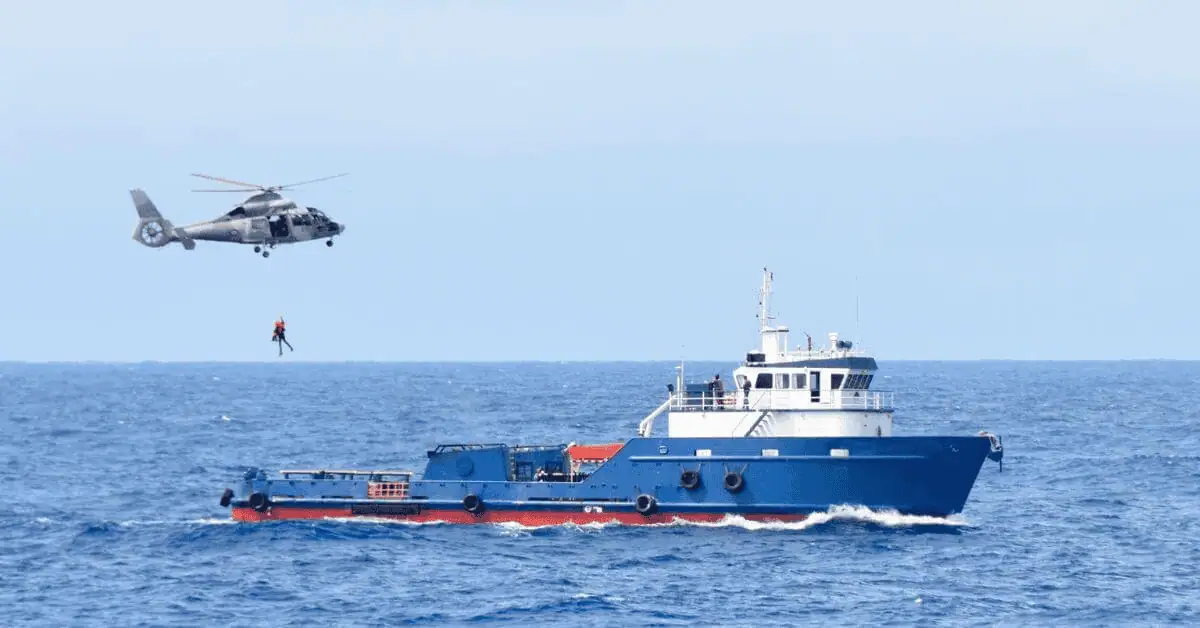
French authorities seized nearly five tonnes of cocaine from a small vessel before dumping the drugs at sea and allowing the crew and ship to depart French Polynesia without charge.
Officials initially said the interception occurred in international waters. However, local broadcaster Tahiti Nui Television (TNTV) later quoted authorities indicating the seizure took place within French Polynesia’s maritime zone.
The cocaine was estimated to be worth about US$150 million.
In a headline, TNTV noted: “4.87 tonnes of cocaine… but no legal action taken.”
Lead prosecutor Solène Belaouar first told the station that Article 17 of the Vienna Convention permits naval forces to intercept vessels on the high seas after verifying the ship’s flag state.
Ten days after the initial reports, Belaouar shifted her position, no longer referring to the “high seas” and instead calling for a new strategy to address drug trafficking routes.
“The Pacific has become a superhighway for drugs,” she said, claiming that 70 per cent of cocaine trafficking now passes through the region.
As those conflicting statements raised questions in Tahiti, further concerns emerged more than 1,100 kilometres to the southwest when the vessel involved — the MV Raider — arrived in the Cook Islands and issued a distress call.
Customs officials in Rarotonga told the Cook Islands News that the ship reported engine trouble and had sought shelter from severe weather. They confirmed the MV Raider was the same vessel previously intercepted by French naval forces with the cocaine onboard.
Online records show the ship was built in the United States in 1991 and issued a Provisional Certificate of Registry by the Togo Maritime Authority just two months earlier, on November 19, 2025.
Maritime experts warn that provisional registration is a red flag, often associated with what the industry calls the “dark fleet,” which exploits open registries.
Such certificates allow temporary entry — typically for three to six months — with minimal due diligence while documentation is pending, according to a 2025 report by marine risk consultancy Windward. Vessels often change flags before the provisional period expires.
Windward identified Togo among registries known for limited oversight, alongside Antigua and Barbuda, Azerbaijan, Barbados, Belize, Cameroon, Comoros, Djibouti, Gabon, Guinea-Bissau, Honduras, Hong Kong, Liberia, Mongolia, Oman, Panama, San Marino, São Tomé and Príncipe, St Kitts and Nevis, Sierra Leone, Tanzania and Vietnam.
In the Pacific, Windward also highlighted the Cook Islands, Marshall Islands, Palau, Tuvalu and Vanuatu.
The crew aboard the MV Raider at the time of the seizure consisted of 10 Honduran nationals and one Ecuadorian.
Reports are sourced from official documents, law-enforcement updates, and credible investigations.
Discover additional reports, market trends, crime analysis and Harm Reduction articles on DarkDotWeb to stay informed about the latest dark web operations.